

Your bone density score is one of those numbers that sound intimidating right up until someone actually explains it, and then it clicks in about thirty seconds. If a doctor, a scan report, or a worried friend has ever mentioned this number and you nodded along without fully understanding what it meant, you are in very good company. Most people never learn what this number actually measures until they are handed a printout and left to figure it out on their own.
We sit down with patients every single day who have questions about their bone density score, what a “good” one looks like, and what to actually do if theirs comes back lower than expected. It is rarely as scary as it first sounds, and once you understand the basics, the whole topic becomes a lot less overwhelming and a lot more useful. It is not a life sentence. It is a snapshot, a starting point, and honestly, one of the more actionable numbers in preventive health.
This guide walks through everything you should know: what the score measures, how it is calculated, what the ranges mean, what tends to move the number up or down, and how patients across Los Angeles are using a quick bone density scan near me to get answers without the usual hospital hassle. No confusing charts, no scare tactics, just a clear look at a number that deserves a lot less mystery than it usually gets.
What Is a Bone Density Score, Exactly?
A bone density score, more formally called a T-score, measures how much calcium and mineral content is packed into a specific section of your bone, usually the hip and lower spine. The test compares your results to the bone density of a healthy 30-year-old adult of the same sex, since that is roughly the age when bone mass peaks for most people. From there, the difference is expressed as a number, and that number tells your provider whether your bones are holding strong, thinning out, or somewhere in between.
It sounds clinical, but the concept is pretty intuitive once you picture it. Bones are living tissue, constantly being broken down and rebuilt in the background, whether you notice it or not. A bone density score is essentially a report card on how that rebuilding process is going. Catch a low score early, and there is a lot you can do about it. Ignore it, and the same issue tends to get harder to reverse the longer it goes unaddressed.
How Is a Bone Density Score Measured?
Traditionally, a bone density score has been measured using DEXA, short for Dual-Energy X-ray Absorptiometry, which uses a low dose of X-rays to scan the hip and spine. It has worked well for decades and is still widely used, but it comes with drawbacks: radiation exposure, the need for a referral in many cases, and appointments tied to a hospital or radiology center’s schedule.
Superior Bone Scanning measures your bone density score using REMS technology instead, which stands for Radiofrequency Echographic Multi Spectrometry. Rather than X-rays, REMS uses ultrasound to analyze bone tissue directly, delivering results with comparable accuracy to DEXA but without any ionizing radiation. Because the equipment is portable, that same reading can be calculated in the comfort of your own home or office anywhere in the Los Angeles area, which is exactly why so many patients now search for a bone density scan near me instead of booking a hospital slot weeks out.
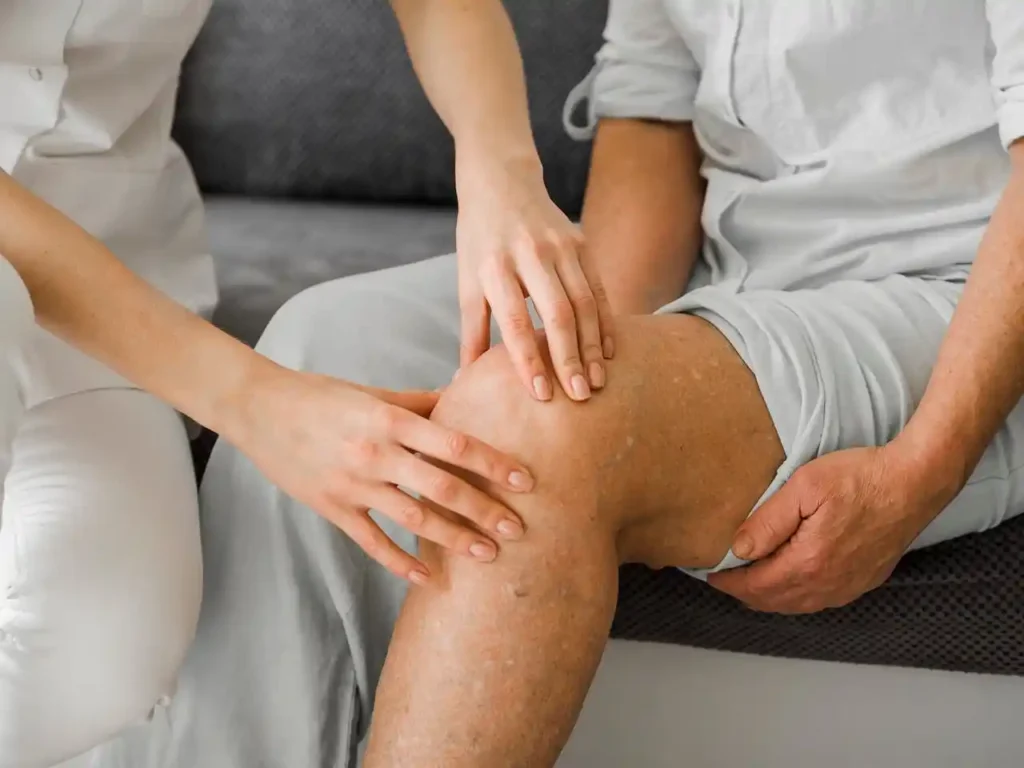
Bone Density Score Ranges Explained
Once your scan is complete, your bone density score will fall into one of three general categories. Here is what each one actually means for your health.
A Normal Bone Density Score
A bone density score of -1.0 or higher is considered normal. This means your bone mass is close to or above what is expected for a healthy young adult, and your fracture risk from bone thinning is low. A normal score is not a reason to skip future testing altogether, though. Bone density naturally shifts with age, hormones, and lifestyle, so a repeat scan every couple of years is still worth doing, especially once you pass 50.
An Osteopenia Bone Density Score
A bone density score between -1.0 and -2.5 falls into the osteopenia range. This means your bones are thinner than ideal but have not reached osteoporosis levels. Osteopenia is extremely common, and it is also one of the most fixable stages if you catch it early. Diet, targeted exercise, and supplementation can often stabilize or even improve that reading in this range without ever needing medication.
An Osteoporosis Bone Density Score
A bone density score of -2.5 or lower indicates osteoporosis, meaning bones have become porous and fragile enough that everyday activities like a minor fall, a hard sneeze, or lifting something awkwardly can lead to a fracture. A reading in this range is not something to panic over, but it is a strong signal that it is time to work closely with a provider on a plan, whether that involves lifestyle changes, supplements, or, in some cases medication.
Bone Density Score vs Z-Score: What Is the Difference?
It is easy to mix up a T-score with a Z-score, since both show up on bone density reports and both are just numbers on a scale. Your bone density score, or T-score, compares you to a healthy young adult, which is the number most providers use to assess osteoporosis risk in older adults. A Z-score, on the other hand, compares your bone density to other people your own age, sex, and often body size.
Z-scores matter most for younger patients, since comparing a 28-year-old’s bones to a 30-year-old baseline (the T-score) is not particularly useful, but comparing them to same-age peers can flag unusual bone loss caused by conditions unrelated to normal aging. For most adults over 50, though, the T-score, or standard density reading, remains the number that matters most for day-to-day decisions about screening frequency and treatment.
What Affects Your Bone Density Score?
This number is not fixed, and it does not move for just one reason. Age plays the biggest role, since bone density naturally peaks around age 30 and slowly declines from there. Hormonal shifts matter enormously too, particularly the drop in estrogen during and after menopause, which can accelerate bone loss significantly in the years immediately following. Genetics also play a real part; if a parent or sibling has been diagnosed with osteoporosis, your own reading is statistically more likely to trend lower as well.
Lifestyle factors carry more weight than most people realize. Low calcium and vitamin D intake, a sedentary routine, smoking, excessive alcohol use, and certain long-term medications, including some steroids and acid reflux drugs, can all quietly chip away at bone strength over time. The encouraging part is that most of these factors respond to intervention. Unlike some health metrics that feel permanently out of your control, it is genuinely responsive to the choices you make starting today.
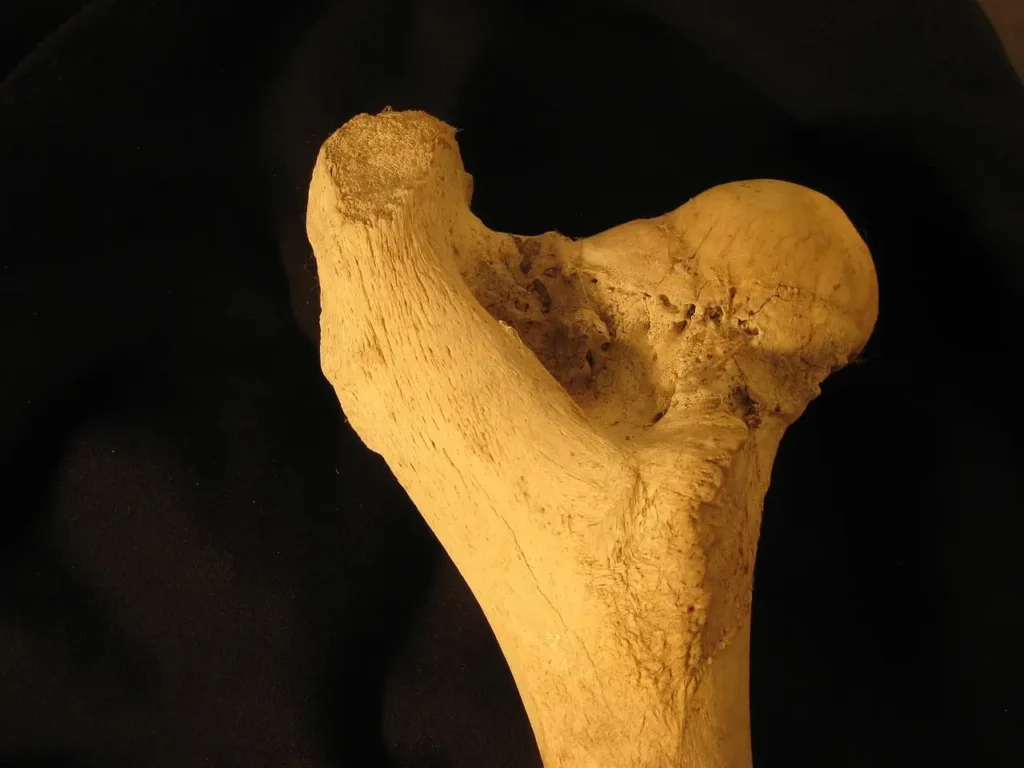
Bone Density Score by Age: What to Expect at Every Stage
Age changes the story quite a bit, and it helps to know roughly where you stand for your decade of life before you look at your own numbers. In your twenties and early thirties, bone mass is typically at or near its lifetime peak, which is why doctors use that window as the baseline for the T-score scale in the first place. Through your forties, density tends to hold fairly steady for most people, barring major lifestyle disruptions or medical conditions.
The real shift usually happens around menopause for women, when a sharp drop in estrogen can accelerate bone loss for several years running, sometimes losing several percentage points of density in that stretch alone. Men lose bone more gradually with age, generally starting a slower decline in their fifties and sixties, though the result, an increased fracture risk, is the same regardless of sex. This is exactly why a baseline scan in your forties or fifties, well before symptoms show up, gives you and your provider something concrete to measure future changes against, rather than guessing after the fact.
Bone Density Score in Men vs Women: Does Sex Matter?
Osteoporosis has long carried a reputation as a “woman’s disease,” and while women do face higher lifetime risk due to menopause-related bone loss, that reputation has led to a lot of men going undiagnosed simply because nobody thought to test them. Roughly one in four men over 50 will experience an osteoporosis-related fracture at some point, a statistic that surprises most people the first time they hear it.
Part of the gap comes down to screening habits rather than biology alone. Women are routinely encouraged to get tested around menopause, while men often only get evaluated after a fracture has already occurred, at which point the damage is already done. Testing is not gendered, and the interpretation of results follows the same T-score ranges for everyone. If you are a man reading this and have never been tested, that alone is worth changing.
How to Improve a Low Bone Density Score
If your results come back lower than you hoped, the good news is that bone is living tissue, and living tissue can respond to the right inputs. Weight-bearing exercise signals your body to build bone rather than lose it. Adequate calcium and vitamin D remain foundational, but they work best alongside movement rather than as a standalone fix. Protein intake matters more than people expect too, since bone is partly built from collagen, which depends on steady protein consumption.
At Superior Bone Scanning, we lean heavily on this approach rather than defaulting straight to pharmaceutical treatment. After your scan, our team builds a tailored exercise and supplement plan around your specific bone density score, your age, your activity level, and any existing conditions, so the plan actually fits your life instead of asking you to overhaul everything overnight. Small, consistent changes tend to move the needle more reliably than dramatic short-term efforts anyway.
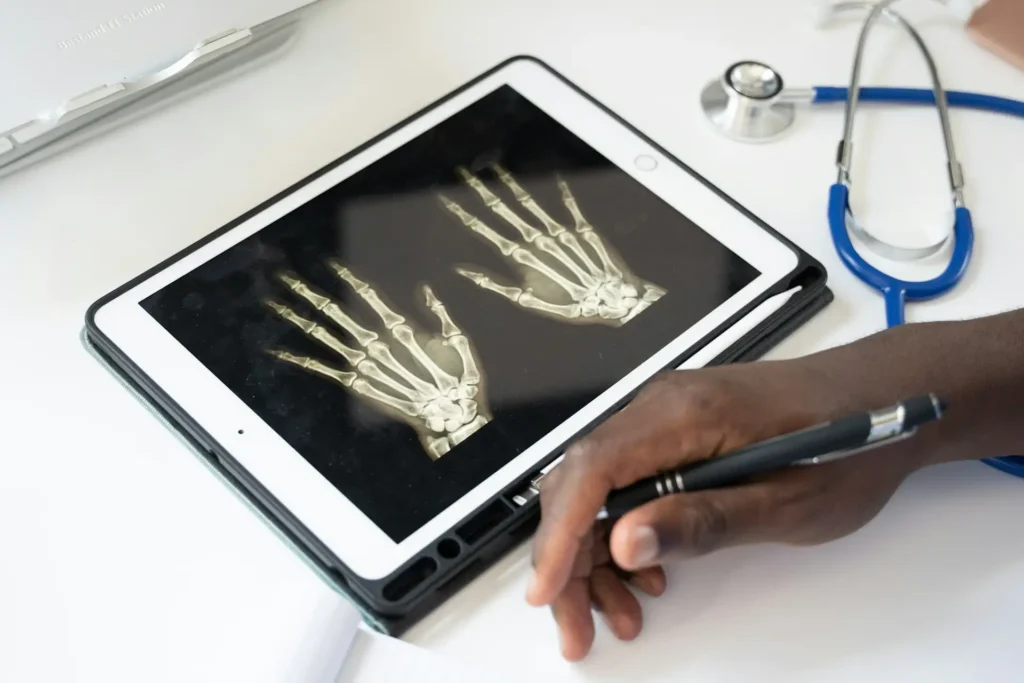
Finding a Bone Density Scan Near Me in Los Angeles
If you have typed “bone density scan near me” into Google recently, you already know how frustrating the search results can be: long wait times, unclear pricing, and appointments that require a referral before anyone will even schedule you. Superior Bone Scanning was built to solve exactly that problem for the Los Angeles area, from Rolling Hills Estates and Torrance to Redondo Beach, Palos Verdes, and Manhattan Beach.
Instead of driving to a facility, our technician brings the REMS scanner to your home or office, so getting tested no longer means rearranging your entire week around a hospital’s calendar. No referral, no ionizing radiation, and no confusing runaround with insurance authorizations before you can even get on the schedule. For a lot of patients searching for a bone density scan near me, the biggest relief is simply realizing that convenience and accuracy are no longer a trade-off.
Pricing is transparent too, which is not something most people expect from a medical service. You will know the flat cost of your appointment before you book, with no surprise billing codes showing up weeks later. That kind of clarity matters, especially for anyone who has been burned by a confusing insurance statement after a routine test in the past. Combined with same-week scheduling and a technician who comes to you, it is easy to see why “bone density scan near me” searches across the South Bay increasingly lead patients straight to Superior Bone Scanning instead of a hospital directory.
What to Expect During Your Bone Density Scan
Here is what a typical appointment actually looks like. Take James, a 54-year-old contractor in Torrance who had been putting off testing for two years because he could never find time between job sites. When he finally booked a bone density scan near me through Superior Bone Scanning, the appointment happened on his lunch break, at his own kitchen table, in under fifteen minutes.
Our technician arrives with a portable REMS device, has you lie down comfortably, and gently moves a small ultrasound probe over your lower spine and hip, the same regions a traditional scan targets. There is no need to change clothes beyond loosening your waistband, no holding your breath, and no radiation shielding required. Once the scan wraps up, your results are calculated and compared against a global reference database, and our team walks you through exactly what the number means and what, if anything, should happen next.
How to Prepare for Your Scan Appointment
There is not much to do beforehand, which is part of the appeal. Skip calcium supplements on the morning of your appointment, since they can occasionally interfere with imaging in ways that muddy the reading. Wear comfortable, loose-fitting clothing around the waist and lower back so the technician has easy access to your hip and spine, and avoid scheduling right after a heavy workout, since inflammation and muscle swelling in the area can sometimes shift results slightly.
Beyond that, there is genuinely nothing to stress over. You do not need to fast, hold your breath, or change your routine the day before. Patients are often surprised at how anticlimactic the appointment itself feels compared to the buildup they expected, mostly because REMS was designed with exactly that kind of low-friction experience in mind. Bring your last set of results if you have had testing done before, since comparing readings over time tells a much richer story than a single snapshot ever could.
Common Myths About Bone Density Scores, Debunked
A surprising amount of outdated thinking still circulates about bone density testing. The first myth is that only older women need to worry about this number. In reality, men lose bone density too, and younger adults with certain risk factors, including athletes and anyone on long-term steroid medication, benefit from an early baseline just as much.
The second myth is that a low reading automatically means osteoporosis medication is the only path forward. That is not true. Many patients in the osteopenia range see meaningful improvement through exercise, nutrition, and supplementation alone, without ever touching a prescription. The third myth is that once this number is measured, it stays the same forever. Bone is constantly remodeling itself, which means the reading can improve with the right habits just as easily as it can decline without them. Understanding this gives patients much more agency over their results than they typically expect.
Book Your Bone Density Scan Today
Your bone density score is not a mystery you have to figure out alone, and it is not something worth putting off for another year. If you have been searching for a bone density scan near me and want a fast, radiation-free way to get real answers, Superior Bone Scanning brings the technology straight to your door anywhere in Los Angeles. Whether your last test was years ago or you have never been screened at all, there is no better time to get a clear baseline than right now, while there is still plenty of room to act on whatever the numbers show.
Book your appointment today and take the first step toward understanding and improving the number that says more about your long-term health than most people realize. A few minutes on a Saturday morning could genuinely change how the next decade of your bone health plays out.
What is considered a good bone density score?
A bone density score of -1.0 or higher is considered normal. Scores between -1.0 and -2.5 indicate osteopenia, and -2.5 or lower indicates osteoporosis.
How can I check my bone density score without a referral?
Superior Bone Scanning offers REMS bone density testing with no doctor’s referral required, so you can book directly and get tested without the usual wait.
Is there a bone density scan near me that comes to my home?
Yes. Superior Bone Scanning brings a portable REMS scanner directly to your home or office anywhere in the Los Angeles area.
Can a low bone density score be improved?
Often, yes. Weight-bearing exercise, adequate calcium and vitamin D, and targeted supplementation can stabilize or improve that number, especially in the osteopenia range.
How long does it take to get a bone density score?
A REMS scan takes about ten to fifteen minutes, and your results are calculated shortly after the appointment.
Does getting a bone density score involve radiation?
Not with REMS. It uses ultrasound technology instead of X-rays, so there is zero ionizing radiation involved.
How often should I check my bone density score?
Most adults are advised to retest every one to two years, though your provider may recommend a different schedule based on your initial results and risk factors.
What is the difference between a T-score and a Z-score?
A T-score, the standard measurement used for adults, compares you to a healthy young adult, while a Z-score compares you to people your own age. T-scores are typically used to assess osteoporosis risk in adults over 50.