
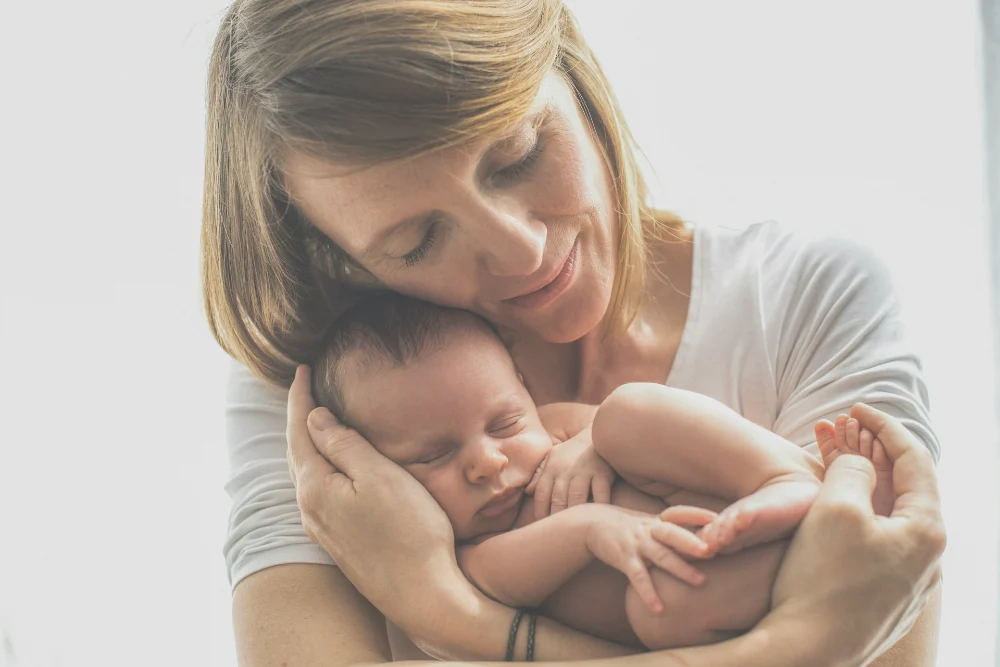
Bone density after breastfeeding is one of those topics that barely comes up at the pediatrician’s office, even though nearly every nursing mother wonders about it at some point. You spend nine months hearing about your baby’s bones. Nobody mentions what’s happening to yours. The honest answer is that something real does happen: calcium moves, hormones shift, and yes, bone density after breastfeeding typically dips zbdox fzrxaftaxhloy for a while. That fact alone tends to alarm new moms who assume any drop in bone strength is permanent or dangerous. It usually isn’t, and the research backing that up is more reassuring than most people expect.
This piece walks through what actually happens to your skeleton while you’re nursing, whether women lose bone density when breastfeeding is a fair question to lose sleep over, and which moms genuinely need a closer look at their bone health. Bone density after breastfeeding isn’t a single story that applies equally to every woman: some of you have real risk factors worth screening for, while others are dealing with a completely normal, temporary, and fully reversible process. Knowing which camp you’re in is the whole point.
Do Women Lose Bone Density When Breastfeeding?
Short answer: Yes, most do, and it’s considered a normal physiological response rather than a red flag on its own. Do women lose bone density when breastfeeding because something is going wrong with their bodies? Not typically. It happens because the body is doing exactly what it’s designed to do, prioritizing your baby’s calcium needs even when that means temporarily borrowing from your own skeletal reserves.
Here’s the mechanism, in plain terms. Breast milk is rich in calcium, and an exclusively breastfeeding mother can transfer roughly 200 to 300 milligrams of calcium to her infant daily. Your body pulls a portion of that from the spine and hips, especially during the first six months postpartum. Breastfeeding also suppresses estrogen, and since estrogen normally protects bone by slowing the breakdown-and-rebuild cycle, less estrogen means bone turnover speeds up. Put calcium withdrawal and lower estrogen together, and you have a clear physiological explanation for why women lose bone density when breastfeeding isn’t a myth; it’s biology working as intended.
Research published by the American Academy of Family Physicians found that lactating women can lose roughly 3 to 6 percent of spinal bone mineral density during the first three to six months of nursing, a range echoed across multiple lactation studies over the past two decades. That number sounds bigger than it feels in real life, and there’s a critical second half to this story that most people never hear.
How Much Bone Density Is Actually Lost, and Does It Come Back?
Bone density after breastfeeding follows a fairly predictable pattern, and the pattern is genuinely encouraging once you see the whole arc rather than just the initial dip. Studies tracking women through lactation and weaning have found something worth repeating clearly: the loss is temporary, and recovery tends to overshoot the original baseline.
A well-cited body of lactation research shows spinal bone density dropping by roughly 3.4 to 4.4 percent within the first six months of exclusive breastfeeding, regardless of whether a woman takes calcium supplements during that window. Supplementation, interestingly, doesn’t meaningfully change how much bone density dips during active lactation, though it’s still a reasonable habit for overall nutrition. What matters more is what happens after weaning.
By roughly twelve to eighteen months postpartum, most women’s bone density after breastfeeding doesn’t just return to where it started; it often climbs slightly higher than the pre-pregnancy baseline. The National Institute of Arthritis and Musculoskeletal and Skin Diseases confirms that bone density typically restores itself after weaning, and large-scale studies have found no meaningful link between breastfeeding and increased fracture or osteoporosis risk later in life: a temporary, biologically normal dip that resolves on its own for most women.
Why the Body Bounces Back So Reliably
Once menstrual cycles resume and estrogen levels normalize, the accelerated bone turnover that happened during lactation reverses course. Bone rebuilding outpaces breakdown for a stretch, which is largely why so many women see bone density after breastfeeding land slightly above where it was before pregnancy. Nature, in this case, seems to have built in its own correction mechanism.
Who’s Actually at Risk After Breastfeeding?
For most new moms, none of this requires intervention beyond good nutrition and patience. But a smaller group of women genuinely should pay closer attention to bone density after breastfeeding, and lumping everyone into “don’t worry about it” does a disservice to the ones who need a real conversation with a provider.
Watch for these situations:
- Breastfeeding beyond 12 to 18 months without a return of menstrual cycles, since prolonged low estrogen extends the window of bone loss.
- Back-to-back pregnancies with minimal recovery time between them leave bone density little chance to rebuild before the next round of demand.
- Chronically low calcium or vitamin D intake, especially in moms who avoid dairy, have limited sun exposure, or follow restrictive diets.
- A personal or family history of osteoporosis, early menopause, or fragility fractures lowers your baseline reserve before breastfeeding even starts.
- Severe, sudden back pain during or shortly after breastfeeding, which occasionally signals a rare but serious condition called pregnancy and lactation-associated osteoporosis. It’s uncommon, but it’s one of the few situations where bone density after breastfeeding needs urgent medical attention rather than routine monitoring.
- Long-term steroid use, thyroid disorders, or eating disorders with a history of amenorrhea, which compound the normal lactation-related dip.
If any of that sounds familiar, this is exactly the kind of situation where a bone density scan near me search stops being an optional curiosity and starts being a genuinely useful next step.

Do Women Lose Bone Density When Breastfeeding More With Multiple Kids?
It’s a fair question, and one that comes up constantly with moms nursing their second or third child. Do women who lose bone density when breastfeeding again face a bigger cumulative hit than first-time mothers? The research suggests the effect doesn’t simply stack indefinitely, since the body typically fully recovers bone density between pregnancies given adequate spacing and nutrition. Risk climbs mainly with rapid, closely spaced pregnancies and prolonged nursing across multiple children, exactly the scenario where a follow-up scan earns its keep.
Bone Density After Breastfeeding vs. Bone Density During Pregnancy
New moms often assume the whole story starts the day the baby is born, but bone density after breastfeeding is really the second act of a process that begins in the third trimester. During pregnancy, the body already shifts calcium metabolism to support fetal skeletal development, though pregnancy-related shifts tend to be smaller and less consistently documented than what happens during active lactation. Breastfeeding is where the more measurable dip shows up, largely from sustained calcium output through milk combined with suppressed estrogen over months rather than weeks.
So when patients ask whether women lose bone density when breastfeeding more than they do during pregnancy itself, the honest answer is usually yes; lactation tends to be the bigger driver of the two. That’s not meant to cause alarm. It’s simply useful context for understanding why bone density after breastfeeding gets discussed as its own distinct phase rather than getting lumped in with “pregnancy bone changes” as one blurry event.
Common Myths About Bone Density After Breastfeeding
A surprising amount of misinformation circulates in new-mom forums and social media groups, so it’s worth clearing a few things up directly.
Myth one: any bone loss during lactation means you’ll develop osteoporosis eventually. This isn’t supported by the research. Bone density after breastfeeding almost always resolves on its own, and large longitudinal studies have not found a consistent link between breastfeeding history and osteoporosis diagnosed decades later.
Myth two: Do women lose bone density when breastfeeding only if they skip calcium supplements? Not quite. Studies comparing supplemented and non-supplemented breastfeeding mothers found similar degrees of bone density loss during the nursing period itself, since the body pulls calcium from bone regardless of dietary intake when demand is high. Supplementation still supports overall maternal health; it just doesn’t fully prevent the temporary dip.
Myth three: formula feeding is the only way to protect your skeleton. Breastfeeding offers well-documented benefits that extend far beyond bone health, and the temporary, reversible nature of bone density after breastfeeding means most women don’t need to weigh nursing against long-term skeletal health at all.
Myth four: If you feel fine, your bones are fine. Bone density changes rarely produce noticeable symptoms unless a fracture occurs, which is why relying on how you feel isn’t a substitute for an actual scan if you fall into a higher-risk category.

Nutrition and Movement That Actually Support Recovery
Even though bone density after breastfeeding tends to self-correct, that doesn’t mean daily habits are irrelevant. A few adjustments make a genuine difference in how smoothly and completely that recovery happens.
Calcium intake matters, aiming for roughly 1,000 to 1,300 milligrams daily through dairy, fortified plant milks, leafy greens, canned salmon or sardines with bones, and almonds. Vitamin D deserves equal attention since it’s what allows the body to absorb that calcium, and plenty of postpartum women run low, especially in winter or once sun exposure drops. Protein rounds out the trio; bone is roughly half protein by composition, and new moms running on broken sleep often under-eat it without realizing.
On the movement side, weight-bearing exercise remains one of the most effective tools for rebuilding bone density after breastfeeding, once your provider clears you for postpartum activity. Walking with the stroller, light resistance training, and eventually higher-impact activity all send the mechanical signal that bone needs to rebuild. None of this needs to be extreme; consistency matters more than intensity here.
Does It Matter How Long or How Often You Breastfeed?
This is one of the most common follow-up questions once moms understand the basics: Do women lose bone density when breastfeeding differently depending on how they’re actually feeding their baby day to day? The answer is nuanced, but a few patterns hold up consistently across the research.
Exclusive breastfeeding, where a baby gets no formula or solid food for the first several months, tends to produce a more noticeable dip than partial or mixed feeding, simply because calcium output through milk is higher when nursing is the sole source of nutrition. Mothers who combine breastfeeding with formula or introduce solids earlier often see a smaller effect, since the demand on maternal calcium reserves is somewhat reduced. This doesn’t mean exclusive breastfeeding is something to avoid. Medical guidance still strongly supports it for its many benefits; it just explains why women lose bone density when breastfeeding shows up as a bigger number in studies focused on exclusively nursing populations.
Frequency and duration matter too. Nursing on demand around the clock for a newborn, then continuing well past the first birthday, extends the window during which estrogen stays suppressed and bone turnover stays elevated. Mothers who wean earlier, say around six to nine months, and whose cycles return relatively quickly afterward, tend to see a shorter dip and a faster climb back to baseline. Extended breastfeeding past 18 months to two years, particularly without a return of periods, is where women lose bone density when breastfeeding stops being a purely rhetorical question and starts being one worth discussing with a provider, especially if it’s paired with any of the risk factors mentioned earlier.
Tandem nursing, feeding a toddler and a newborn at once, adds another layer of sustained demand, and mothers in this situation sometimes have their providers suggest a scan simply for peace of mind. There’s nothing inherently dangerous about tandem nursing, but it’s a reasonable moment to ask: do women lose bone density when breastfeeding two children simultaneously more than one? The honest answer is that cumulative demand likely plays some role, even though dedicated research remains limited.

When Should New Moms Consider a Bone Density Scan?
Most healthy women don’t need a bone density scan simply because they breastfed, and answering do women lose bone density when breastfeeding with a firm yes doesn’t automatically mean a scan is urgent. The condition resolves on its own for the vast majority. But if you’re checking off items from the risk list above, if breastfeeding stretched well past a year without your cycle returning, or if you’re simply the kind of person who’d rather see the number than assume everything’s fine, screening is a reasonable and increasingly accessible option.
A lot of new moms hit a wall here, though, because traditional DEXA scanning uses ionizing radiation, which makes plenty of breastfeeding women hesitant even when the dose is low. That hesitation is one of the biggest reasons bone density after breastfeeding often goes unchecked, since women assume their only option involves radiation they’re not comfortable with while nursing.
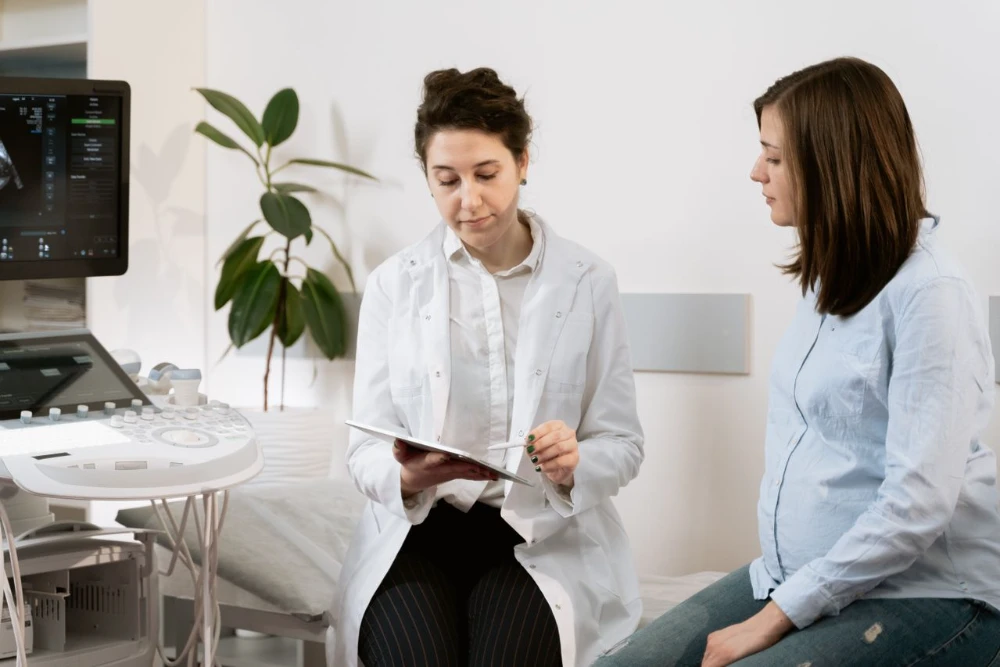
REMS technology changes that equation. Radiofrequency Echographic Multi-Spectrometry uses ultrasound-based signals instead of X-rays, meaning zero radiation, a meaningful difference for a nursing mother weighing her options. Multicenter research published in Aging Clinical and Experimental Research found that REMS achieves sensitivity and specificity above 91 percent against traditional DEXA, giving providers a reliable read on bone density after breastfeeding without any radiation concerns.
At Superior Bone Scanning, we bring REMS scanning directly to homes and offices across Los Angeles, which matters enormously for a new mom juggling feeding schedules and approximately zero free hours in her day. A technician arrives, the scan takes under two minutes, and you get clear, plain-language results the same visit instead of a confusing printout you’ll Google later at 3 a.m.
How a REMS Scan Works for Nursing Moms
If you’re picturing a big, humming machine and an awkward gown, REMS looks nothing like that. A handheld ultrasound-style probe passes gently over your hip and lower spine while you lie comfortably on a table or your own couch. There’s no radiation, no changing room, and no need to arrange childcare. For a mom already stretched thin, that convenience alone often decides whether bone density after breastfeeding gets checked at all or gets pushed to “someday.”
The Bigger Picture on Bone Density After Breastfeeding
It’s worth zooming out here, because the tone around this topic online skews far more alarming than the research supports. Bone density after breastfeeding is not a warning sign that something has gone wrong with your body. For most women, it’s a temporary, self-correcting process that mirrors what your bones did during pregnancy itself. Large population studies have consistently failed to find increased fracture or osteoporosis risk decades later among women who breastfed, even those who nursed multiple children.
That said, do women lose bone density when breastfeeding in a way that’s always harmless? Not universally, which is why “usually fine” isn’t the same as “never worth checking,” particularly in the higher-risk categories outlined above. The goal isn’t to spend your maternity leave anxious about your skeleton. It’s to know where you stand, quickly, without radiation, and without adding another appointment to an already overwhelming season of life.
Get Clarity on Your Bone Health Today
Bone density after breastfeeding deserves a straight answer, not vague reassurance or a scary internet rabbit hole at midnight. Whether you’re nursing your first baby or your fourth, whether you fall into a higher-risk category or you’re simply curious, a radiation-free REMS scan gives you real numbers instead of guesswork. Superior Bone Scanning has built a reputation as Los Angeles’s most trusted mobile REMS provider precisely because new moms, caregivers, and busy professionals shouldn’t have to choose between convenience and accurate answers. If you’ve been quietly searching for a bone density scan near me while rocking a baby to sleep, let this be the moment you stop wondering.
Do women lose bone density when breastfeeding every time they nurse?
Most women experience some degree of bone density loss during lactation, particularly in the first three to six months, though the amount varies based on nutrition, hormone levels, and how long breastfeeding continues.
How much bone density is lost while breastfeeding?
Research shows spinal bone density typically drops by roughly 3 to 6 percent during the first six months of exclusive breastfeeding, with most of that loss recovering after weaning.
Does bone density after breastfeeding fully return to normal?
For most women, yes. Studies show bone density often returns to, or slightly exceeds, pre-pregnancy levels within twelve to eighteen months after weaning, once menstrual cycles and estrogen levels normalize.
Is it safe to take calcium supplements while breastfeeding?
Generally, yes, though research shows supplementation doesn’t dramatically change how much bone density dips during lactation itself. It’s still worth discussing your specific intake with your provider.
Can breastfeeding cause osteoporosis?
For the vast majority of women, no. Large studies have found no meaningful link between breastfeeding and long-term osteoporosis or fracture risk. A rare condition called pregnancy- and lactation-associated osteoporosis exists, but it’s uncommon and typically presents with severe back pain or fracture rather than silently.
When should a new mom get a bone density scan?
Screening is worth considering if breastfeeding continues well past a year without a return of menstrual cycles, if there’s a family history of osteoporosis, or if you’re experiencing unexplained back pain postpartum.
Is a REMS scan safe while breastfeeding?
Yes. REMS uses ultrasound-based technology rather than X-rays, so there’s no radiation exposure at all, making it a comfortable option for nursing mothers who want answers without that concern.
Does Superior Bone Scanning offer bone density scans for new moms in Los Angeles?
Yes. Superior Bone Scanning brings mobile, radiation-free REMS scanning directly to homes and offices throughout Los Angeles, so new moms can get answers about bone density after breastfeeding without arranging childcare or leaving the house.