
The effect of high bone density on your body is not as simple as “the higher, the better,” and if a recent scan left you staring at your results wondering what they actually mean, you are far from alone. Most people spend years worrying about weak bones and osteoporosis, so getting a report that says your bones are denser than average can feel like a strange kind of good news wrapped in a question mark. Is this something to celebrate? Or is it a red flag your doctor forgot to mention?
Here in Los Angeles, we see this reaction constantly. A client comes in expecting the usual conversation about calcium and fracture risk, and instead walks out with a bone density score that’s above the normal range. Their first question is almost always the same: “Is that bad?” The honest answer is: it depends. Sometimes a high reading reflects a genuinely strong, resilient skeleton built through years of weight training or good genetics. Other times, it’s masking something else entirely, like arthritis changes in the spine or a rarer bone condition that needs a closer look. Understanding the effect of high bone density on your body starts with knowing which of these stories applies to you.
This guide walks through exactly what elevated readings mean, when they’re worth celebrating, when they deserve a second look, and how modern REMS scanning gives you a clearer, radiation-free picture than older methods ever could. By the end, you’ll understand your own results well enough to have an informed conversation about your bone health, not just a confused one, and you’ll know exactly how the effect of high bone density applies to your own life.
What Does a High Bone Density Score Actually Mean?
Your bone density score is typically expressed as a T-score, a number that compares your bone mineral density to that of a healthy 30-year-old adult of the same sex. A T-score of 0 is considered average. Anything below -1.0 starts moving toward osteopenia and eventually osteoporosis. But on the other end of the scale, a T-score above +1.0, and especially anything approaching +2.5 or higher, is where things get interesting.
A high reading simply means your skeleton is holding onto more mineral content than the statistical average. That sounds straightforward, but the effect of high bone density on your actual fracture risk, joint comfort, and long-term mobility depends heavily on why the number is high in the first place.
Genetics, muscle-building exercise, certain medications, and even naturally thick bone structure can all push that number up in a completely healthy way. So can a lifetime of weight-bearing activity, whether that’s tennis, hiking the trails around Palos Verdes, or years of strength training at the gym. That’s why we always tell clients that the effect of high bone density can’t be judged from a single number floating on a page.
The Positive Effect of High Bone Density on Your Skeleton
Let’s start with the good news, because there is plenty of it. For the vast majority of people, a strong reading correlates directly with a lower risk of fractures. Denser bone tissue can absorb more impact before it breaks, which matters enormously as we age and falls become a bigger concern. If you’ve spent decades doing resistance training, eating a diet rich in calcium and vitamin D, and staying generally active, a high reading is often simply the reward for that effort. This is the effect of high bone density most people hope to hear about at their appointment.
Stronger Bones, Lower Fracture Risk
This is the effect of high bone density that most people hope for. Thicker, more mineralized bone tissue is mechanically tougher. Studies on bone mineral density consistently show that people with above-average scores tend to fracture less often from everyday falls, minor accidents, or sports injuries. If you’re an active adult in your forties, fifties, or sixties, a strong reading is genuinely reassuring news about your skeletal resilience going forward.
What Athletes and Active Adults Should Know
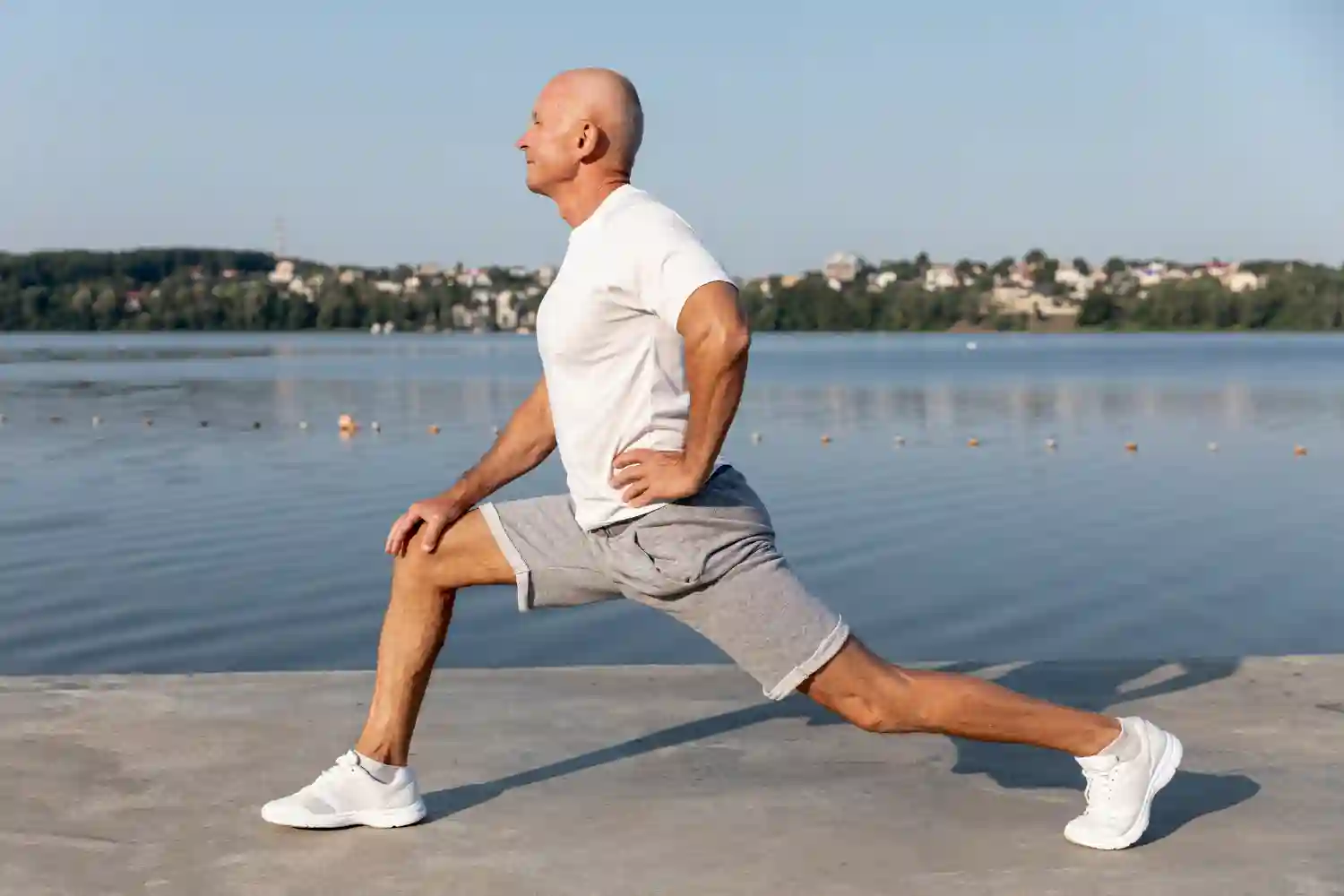
Weightlifters, gymnasts, dancers, and long-distance runners often show elevated readings in the specific areas that bear the most mechanical load, like the hips and lumbar spine. This is your body adapting exactly the way it’s supposed to. Bone remodels itself constantly, and repeated stress signals it to lay down more mineral where it’s needed most. If this describes your lifestyle, an above-average reading is usually nothing to lose sleep over. It’s a sign your training is paying off in ways that go beyond muscle tone, and it’s one of the clearest, most predictable versions of the effect of high bone density you’ll come across.
Genetics vs Lifestyle: What’s Really Driving Your Numbers
Clients ask us constantly whether their results come down to genetics or habits, and honestly, it’s almost always both. Some families simply carry genes for thicker, denser bone structure, the same way some families run tall or have naturally fast metabolisms. Layer years of resistance training, a calcium-rich diet, and adequate vitamin D on top of that genetic starting point, and you get a reading that sits comfortably above average.
We had a client last year, a fifty-four-year-old competitive cyclist and former college gymnast, who assumed her elevated reading meant something was wrong. It didn’t. Her scan simply reflected decades of high-impact training layered onto a family history of strong bones. Cases like hers are a good reminder that the effect of high bone density isn’t a mystery once you look at the full context of someone’s life, not just the number itself.
Medications and Health Conditions That Can Raise a Bone Density Score
A handful of medications and health conditions can also push readings upward. Certain osteoporosis treatments, for example, are specifically designed to increase bone mineral density over time, so a rising reading during treatment is actually the intended outcome. Fluoride exposure, some hormonal conditions, and rare metabolic disorders can do the same thing, though usually to a much smaller degree. Even here, the effect of high bone density on your fracture risk depends on the underlying cause, not the number alone.
This is exactly why context matters so much when interpreting the effect of high bone density on any individual report. A rising number after starting an osteoporosis medication tells a completely different story than a rising number with no clear explanation at all, and only a trained eye can tell the two apart with confidence.
When High Bone Density Signals a Problem
Now for the part that deserves your full attention. Not every high reading is a trophy for good living. In a smaller number of cases, an elevated bone density score points toward an underlying condition that changes how the bone is built, not just how much mineral it contains. This is the flip side of the effect of high bone density that rarely gets discussed, and it’s exactly why interpretation matters as much as the raw number.
Osteopetrosis and Rare Bone Disorders
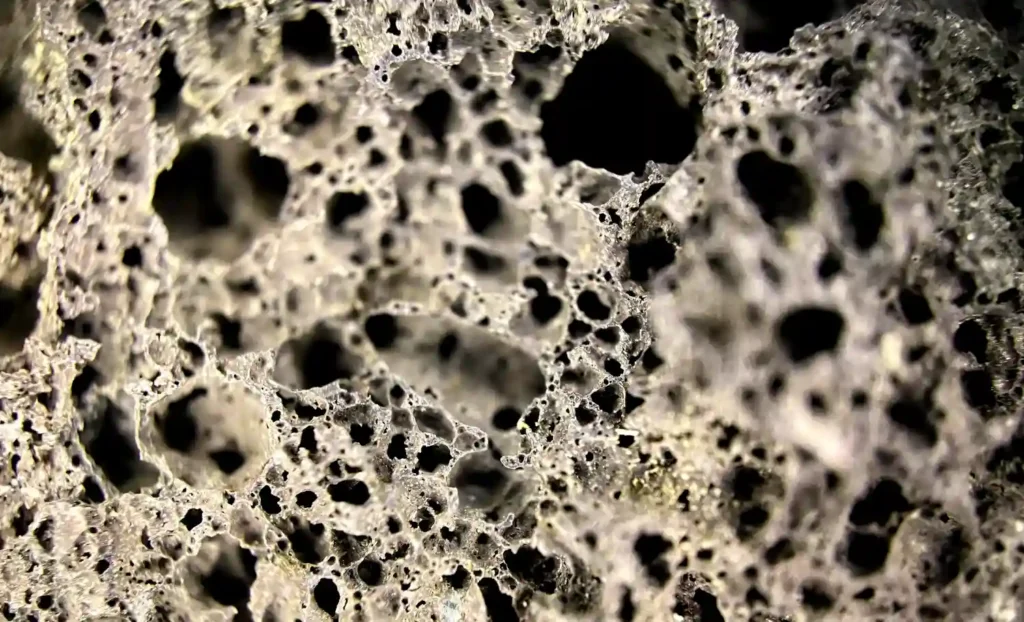
Osteopetrosis is a rare genetic condition sometimes nicknamed “marble bone disease,” where bones become so dense they actually turn brittle and prone to fracture despite the high reading. It sounds like a contradiction, but density alone doesn’t guarantee strength if the underlying bone architecture is abnormal.
Paget’s disease of bone can produce a similar contradiction, where bone turnover speeds up unevenly, leaving some areas thickened but structurally weak. These conditions are uncommon, but they illustrate why the effect of high bone density on fracture risk depends entirely on bone quality, not just bone quantity.
Osteoarthritis and False Readings
Here’s something that catches a lot of people off guard. Degenerative changes from osteoarthritis, especially in the lumbar spine, can create bone spurs and calcified tissue that artificially inflate a bone density score on certain types of scans. The reading looks high, but it doesn’t actually reflect stronger, healthier bone underneath. This is one of the most common reasons a scan result needs a trained eye to interpret correctly rather than being taken at face value, and it’s a major reason the effect of high bone density can be misread without the right technology behind it.
How REMS Technology Reveals the True Effect of High Bone Density
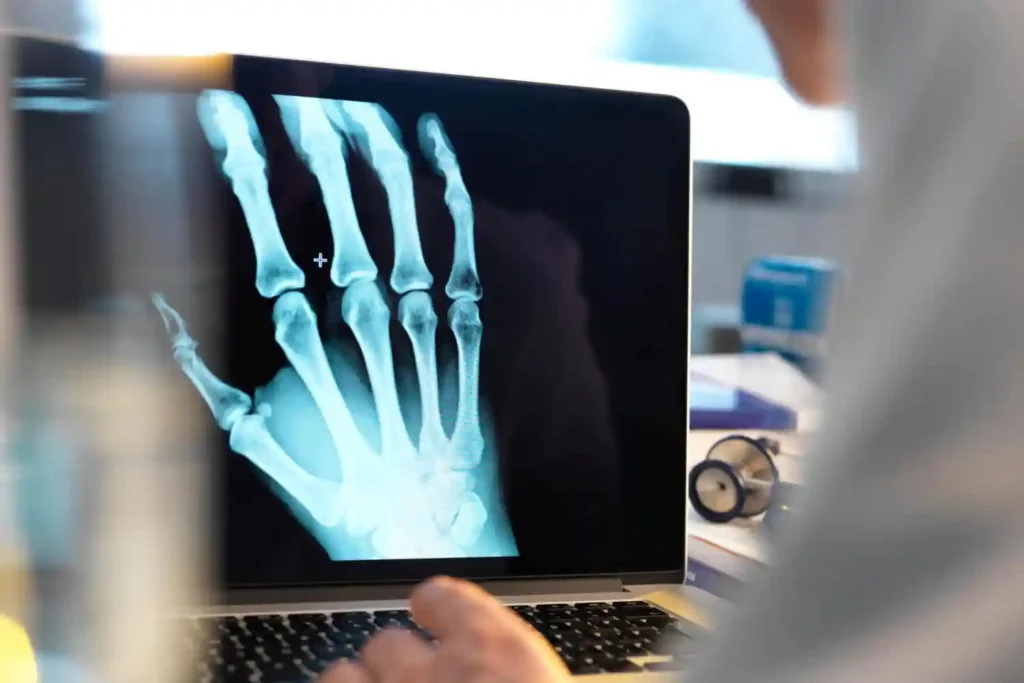
This is exactly where the type of scan you choose starts to matter. Traditional DEXA scanning has been the industry standard for decades, but it has real limitations when it comes to distinguishing true bone strength from misleading artifacts like arthritis or vascular calcification. It also relies on ionizing radiation, which many patients understandably prefer to avoid, especially with repeat scans over the years.
REMS, short for Radiofrequency Echographic Multi-Spectrometry, takes a fundamentally different approach. Instead of X-rays, it uses ultrasound signals to analyze the raw characteristics of bone tissue at the lumbar spine and hip, comparing those signals against validated reference models.
The result is a bone density score with accuracy that holds up well against DEXA, without any radiation exposure at all. At Superior Bone Scanning, this technology also gives our team a clearer window into bone quality itself, not just mineral quantity, which helps separate a genuinely strong effect of high bone density from a reading that’s been skewed by arthritis or another underlying issue.
Because REMS is portable and radiation-free, we’re also able to bring the scan directly to your home or office here in the Los Angeles area, something that simply isn’t practical with traditional imaging equipment. No waiting room, no referral, and no repeated radiation exposure if you need follow-up scans down the road.
Understanding Your Bone Density Score: T-Scores vs Z-Scores
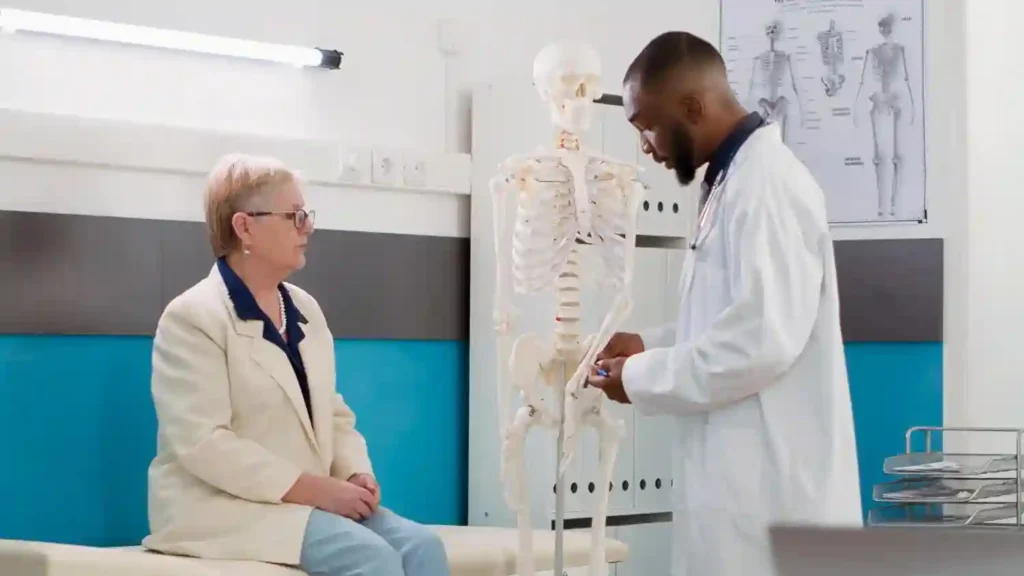
Two numbers usually show up on a bone density report, and it’s worth knowing the difference. Your T-score compares you to a healthy young adult and is the number doctors use to diagnose osteoporosis or, on the other end, unusually high density. Your Z-score compares you to other people your own age and sex, which is more useful for spotting whether something unusual is happening for your particular life stage. Reading both together is really the only honest way to judge the effect of high bone density on your specific results.
If your bone density score comes back high on both measures, that’s typically reassuring. If it’s high on the T-score but your Z-score also looks unusual for your age group, that combination is worth discussing with a bone health specialist, since it may point toward one of the less common causes we covered above. Context always matters more than a single isolated number when weighing the effect of high bone density on your long-term health.
How Age and Gender Change the Picture
Bone density naturally shifts across a lifetime, and the effect of high bone density reads differently depending on where you are in that timeline. In children and teenagers, high readings usually reflect healthy growth and development. In postmenopausal women, an elevated score is less common because estrogen decline typically pushes density down, so an unusually high reading in this group often deserves a closer look. In men over sixty, above-average density is frequently tied to lifelong physical labor or consistent strength training.
Knowing where you fall in this timeline helps our team put your results into proper context rather than comparing you against a generic average that may not apply to your situation at all.
Who Should Get Their Bone Density Score Checked
Plenty of people assume bone scanning is only for older adults worried about osteoporosis, but that’s an outdated way of thinking about it. Anyone managing arthritis, recovering from a fracture, on long-term steroid medication, or simply curious about their skeletal health after years of training can benefit from knowing their numbers.
Younger adults with a family history of bone disorders, postmenopausal women, and people who’ve had unexplained fractures are especially good candidates. Each of these groups experiences the effect of high bone density a little differently, which is exactly why a personalized read of your results matters.
Understanding the effect of high bone density on your specific situation gives you and your care team real information to work with, rather than guesswork. It also opens the door to a personalized plan, whether that means adjusting your exercise routine, reviewing supplements, or simply confirming that everything looks the way it should.
Building and Protecting Strong Bone Density at Any Age
The good news is that bone tissue responds to what you do with it, at almost any age. Weight-bearing exercise like walking, hiking, or resistance training tells your skeleton to keep laying down mineral, while a diet with enough calcium, vitamin D, and protein gives it the raw materials to actually do that work. Smoking and excessive alcohol tend to work against you here, quietly chipping away at density over time even when nothing feels wrong day to day. In other words, the effect of high bone density is not something that just happens to you, it’s something you can actively build toward.
Supplements can help fill genuine gaps, but they work best when they’re matched to your actual numbers rather than taken as a blanket precaution. This is exactly why we pair every scan with a plan tailored to what we find, not a generic handout. The effect of high bone density on your daily life becomes obvious the moment you notice you’re moving through your day without the hip or back discomfort that so many people simply accept as a normal part of getting older.
Finding Reliable Bone Density Scanning Near You
If you’ve searched for “bone density scan near me” and felt overwhelmed by the options, you’re not the only one. Not every provider uses the same technology, and not every technician has the training to interpret an unusual reading correctly. Look for a provider who uses validated REMS or DEXA equipment, explains your results in plain language, and doesn’t rush you through the appointment, especially if you’re trying to understand the effect of high bone density on your own report.
We built Superior Bone Scanning around exactly that experience. As one of the most trusted REMS bone scanning providers serving the greater Los Angeles area, our team brings the scanner to you, whether that’s your home, your office, or a location that fits your schedule, and walks you through what your results genuinely mean, including any effect of high bone density that shows up on your particular report.
Why Los Angeles Residents Trust Superior Bone Scanning
We’ve built our reputation on straightforward answers and personalized care, not one size fits all recommendations. Instead of jumping straight to pharmaceuticals when a scan raises questions, our team develops tailored exercise and supplement plans designed around your actual results and lifestyle. That approach has made a real difference for clients across Los Angeles who wanted alternatives to standard prescription-first treatment plans, and who wanted a clearer answer about the effect of high bone density on their own bodies.
Rather than asking you to book a slot at a clinic and wait weeks for an opening, we bring the REMS scanner directly to your door, whether you’re in Rolling Hills Estates, Palos Verdes, Torrance, or anywhere else across the greater Los Angeles area. No referral, no radiation, and no sitting in a waiting room next to strangers thumbing through last year’s magazines. Just a fast, comfortable scan followed by a real conversation about what your numbers mean and what, if anything, you should do next.
Whether your results turn out to be reassuringly strong or need a bit more investigation, having a knowledgeable team walk you through the effect of high bone density on your specific health picture makes all the difference. Numbers on a page mean very little without someone to translate them into a plan you can actually use.
Know Your Numbers, Protect Your Future
Your skeleton tells a story, and a high bone density score is just one chapter of it. For most people, it’s genuinely good news, a sign of strong bones built through good habits, smart training, or simple genetic luck. For a smaller group, it’s a signal worth investigating further, since the underlying cause changes what that number actually means for your long-term health. Either way, guessing isn’t a strategy, and understanding the effect of high bone density on your own body is worth an hour of your time.
The team at Superior Bone Scanning is ready to help you understand exactly what your results mean, using radiation-free REMS technology that comes directly to your home or office anywhere in the Los Angeles area. Book your scan today and get real answers about your bone health and the effect of high bone density on your future, not just a number on a page.
Is a high bone density score always a good sign?
Usually, yes, since it often means stronger, less fracture-prone bones. But in rare cases, it can point to conditions like osteopetrosis or arthritis-related artifacts, so it’s worth having a specialist review the full picture.
What causes the effect of high bone density in otherwise healthy adults?
Genetics, weight-bearing exercise, and strong nutrition are the most common causes. Athletes and people with active lifestyles frequently show above-average readings in their hips and spine.
Can arthritis affect my bone density score?
Yes, degenerative changes and bone spurs from osteoarthritis can artificially raise readings on certain scans. This is one reason REMS technology and expert interpretation matter so much.
Does REMS scanning use radiation like a DEXA scan?
No, REMS uses ultrasound-based signals rather than X-rays, so there’s zero radiation exposure. Accuracy remains comparable to traditional DEXA scanning for most patients.
How often should I check my bone density score?
Most adults benefit from a scan every one to two years, though your specialist may recommend more frequent monitoring depending on your history. Anyone with arthritis, a prior fracture, or a family history of bone disorders should check sooner.
Where can I find bone density scanning near me in Los Angeles?
Superior Bone Scanning brings REMS technology directly to your home or office anywhere in the Los Angeles area. No clinic visit or referral is required to get started.
What’s the difference between a T-score and a Z-score?
A T-score compares your bones to a healthy 30-year-old, while a Z-score compares you to people your own age. Both help paint a fuller picture of the effect of high bone density on your specific health situation.
Should I be worried if my bone density score is unusually high?
Not automatically, but it’s worth a professional review to rule out rare conditions. Our team at Superior Bone Scanning can walk you through what your specific results mean and recommend next steps.