
Osteopenia vs. osteoporosis is the question most people never get a straight answer to until they’re already holding a bone density report with one of those two words circled in red pen, staring at their phone, trying to figure out how worried they should actually be. You’re not alone. Every year, thousands of Angelenos get handed a T-score they don’t understand, attached to a diagnosis nobody explained properly, and then sent home to “Google it.” So let’s actually talk through it, the way a friend who happens to know bone science would.
Here’s the short version, because you deserve that first: osteopenia and osteoporosis both describe low bone density, but they sit at very different points on the same road. Osteopenia is the yellow light. Osteoporosis is the red one. One means your bones have thinned a bit, and you have a real window to turn things around. The other means your skeleton has thinned enough that an ordinary fall, a hard sneeze, or even bending over to pick up a laundry basket could snap a bone. Understanding osteopenia vs. osteoporosis isn’t just a vocabulary lesson. It’s the difference between catching a problem early and living with the aftermath of one.
Before we go further, it helps to know that neither condition is rare, and neither one is a life sentence. Understanding osteopenia vs. osteoporosis early gives you leverage: the kind of leverage that turns a scary-looking lab report into an actionable plan instead of a source of dread.
What Is Osteopenia? (Low Bone Density Explained)
Think of your skeleton as a savings account you’ve been quietly depositing into since childhood. Bone mass builds steadily until your late twenties or early thirties, plateaus for a while, and then, thanks to aging, hormones, and plain biology, it starts drawing down. Osteopenia is what shows up on a scan when that account has dipped below “healthy” but hasn’t crashed into “critical.” It’s the milder end of the osteopenia vs. osteoporosis scale.
Clinically, osteopenia means your bone mineral density is lower than what’s considered normal for a healthy young adult, but not low enough to meet the threshold for osteoporosis. It’s essentially the medical term for low bone density in its earlier, milder form. A lot of people hear “osteopenia” and panic, assuming it’s a disease. It isn’t, not exactly. It’s more of a warning label: a nudge from your body that says, “Pay attention now, before this becomes a bigger problem.”
In the ongoing conversation around osteopenia vs. osteoporosis, this is the stage where your provider will usually say some version of “let’s keep an eye on this.” Frankly, that’s a much better sentence to hear than the alternative.
What Is Osteoporosis?
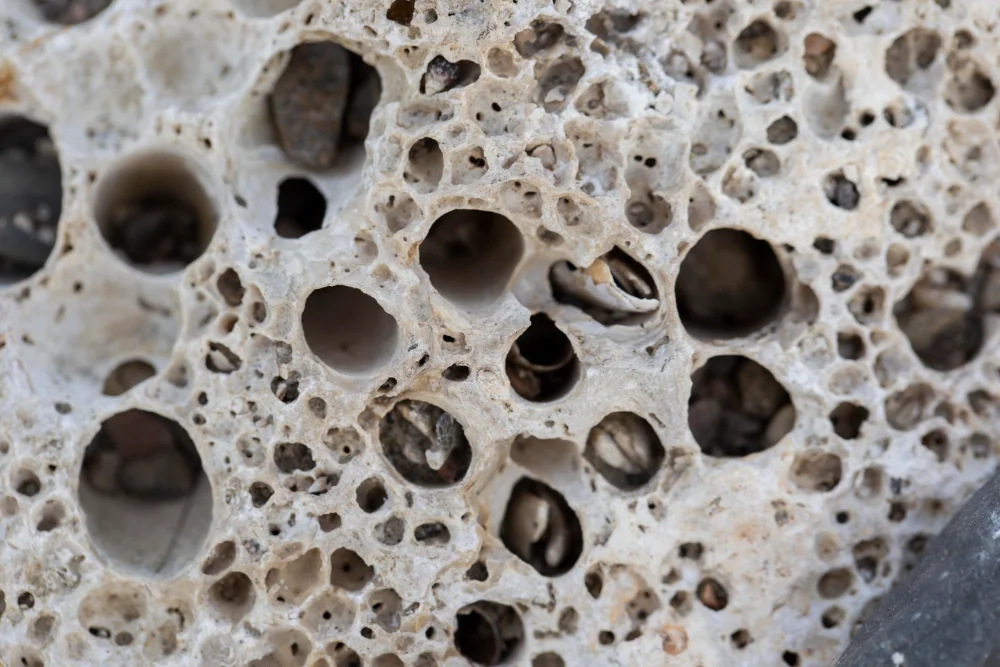
Osteoporosis is the more serious cousin. The word literally translates to “porous bone,” and that’s not an exaggeration. Under a microscope, osteoporotic bone looks like Swiss cheese, riddled with larger gaps where dense tissue used to be. According to the Bone Health and Osteoporosis Foundation, roughly 10 million Americans currently live with osteoporosis, and another 44 million have low bone density that puts them at risk of developing it, numbers that show just how common the osteopenia vs. osteoporosis conversation really is.
That’s not a small club. One in two women and up to one in four men over 50 will break a bone in their lifetime because of osteoporosis. For women, that fracture risk actually outpaces the combined risk of breast cancer, heart attack, and stroke. Those numbers surprise most patients the first time they hear them. They should, honestly, because so few people are told this before it’s too late.
Osteopenia vs. Osteoporosis: The T-Score Breakdown
This is where the confusion usually starts, so let’s make it simple. Every bone density test (whether it’s a traditional DEXA scan or the radiation-free REMS scan we use) produces something called a T-score. This number compares your bone density to that of a healthy 30-year-old adult of the same sex.
- A T-score of -1.0 or higher is considered normal bone density.
- A T-score between -1.0 and -2.5 indicates osteopenia, or low bone density.
- A T-score of -2.5 or lower meets the clinical definition of osteoporosis.
The National Institute of Arthritis and Musculoskeletal and Skin Diseases confirms that these T-score thresholds are the standard used to interpret bone mineral density results across the country. So when we talk about osteopenia vs. osteoporosis, we’re really talking about a sliding scale: not two separate diseases, but two stages of the same underlying process of bone loss.
Understanding T-Scores and Z-Scores
There’s a second number worth knowing about: the Z-score. Where a T-score compares you to a healthy 30-year-old, a Z-score compares your bone density to other people your own age, sex, and body size. It’s mostly used for premenopausal women, men under 50, and children, and it helps your provider figure out whether something unusual (like a medication side effect or an underlying condition) is driving unexpectedly low bone density, rather than normal aging. Both scores matter for the same reason: getting osteopenia vs. osteoporosis right depends on comparing your bones to the right baseline.
7 Key Differences: Osteopenia vs. Osteoporosis
If you’re trying to wrap your head around osteopenia vs. osteoporosis in practical, everyday terms, here are the seven differences that actually matter for your life and your treatment plan.
- Severity of bone loss. This is the clearest starting point for osteopenia vs. osteoporosis comparisons. Osteopenia reflects mild to moderate thinning. Osteoporosis reflects significant structural weakening of the bone itself.
- Fracture risk. With osteopenia, fracture risk is elevated but modest. With osteoporosis, even minor stress such as coughing, stepping off a curb, or a light bump can cause a break.
- Reversibility. Low bone density at the osteopenia stage often responds beautifully to lifestyle changes: weight-bearing exercise, targeted nutrition, and sometimes supplementation. Osteoporosis usually requires a more aggressive combination of medical management and lifestyle intervention.
- Symptoms. Neither condition typically causes pain on its own. That’s part of what makes both so sneaky. But osteoporosis is far more likely to announce itself through an actual fracture, a noticeable loss of height, or a stooped posture.
- Diagnostic urgency. Osteopenia is usually monitored with periodic rescans. Osteoporosis typically triggers an immediate discussion of treatment options with your physician.
- Long-term outlook. Caught at the osteopenia stage, many people never progress to osteoporosis at all. Left unmanaged, osteoporosis carries genuinely serious consequences: the sobering statistic that roughly 24 percent of hip fracture patients over 50 die within a year of the fracture.
- Treatment approach. Osteopenia treatment leans heavily on prevention. Osteoporosis treatment often includes prescription medication, fall-prevention planning, and closer monitoring through repeat scans.
The Best Foods and Exercises to Fight Low Bone Density
If osteopenia vs. osteoporosis is a spectrum rather than an on/off switch, then your daily habits are the dial. Nutrition matters more than most people realize. And no, it’s not just about chugging milk.
Calcium-rich foods like yogurt, sardines with the bones in, leafy greens such as kale and bok choy, and fortified plant milks all help rebuild the mineral matrix that gives bone its strength. Vitamin D (from sensible sun exposure, fatty fish, egg yolks, or a supplement your doctor recommends) is what actually lets your body absorb that calcium in the first place, so pairing the two matters. Protein is the third piece people forget; bone is roughly half protein by volume, and adults who skimp on it tend to see faster bone loss over time. Getting these basics right is one of the simplest ways to influence osteopenia vs. osteoporosis outcomes long before medication ever enters the picture.
On the exercise side, weight-bearing movement is non-negotiable. Brisk walking, hiking the trails around Griffith Park, dancing, stair climbing, and resistance training with bands or light weights all send a mechanical signal to your skeleton that says “keep building.” Balance work like yoga, tai chi, or even simple single-leg standing drills won’t add bone density directly, but it dramatically lowers your odds of the fall that turns low bone density into a fracture in the first place.
Why Osteopenia vs. Osteoporosis Matters for Your Future
Here’s the part nobody tells you at a routine checkup: this isn’t just about bone density numbers on a printout. It’s about whether you’re still hiking Runyon Canyon at 70, whether you can pick up your grandkids without wincing, whether a slip on a wet kitchen floor means a bruised hip or a broken one that never fully heals right. That’s the real stakes behind osteopenia vs. osteoporosis, far beyond a number on a chart.
We’ve sat across from patients who found out they had osteopenia in their late forties and, because they caught it early, made a few adjustments: added resistance training, fixed a vitamin D deficiency, cut back on the daily diet soda habit that was quietly leaching calcium, then rescanned two years later with bone density that had actually stabilized.
We’ve also sat with patients who ignored the early warning and years later were dealing with a compression fracture from something as mundane as lifting a suitcase into an overhead bin. The difference between those two stories usually comes down to one thing: whether someone caught the low bone density early enough to act on it.

Symptoms: Can You Feel Low Bone Density?
One question we hear constantly is whether osteopenia vs. osteoporosis can be diagnosed just by how someone feels day to day.
Honestly? Usually not. That’s the frustrating, almost cruel part of both conditions. Bone loss doesn’t come with an early-warning ache the way a sprained ankle does. Most people find out where they stand on osteopenia vs. osteoporosis in one of two ways: through a bone density scan or through a fracture that happens far too easily.
That said, there are a few subtle clues worth watching for as osteoporosis progresses: a gradual loss of height, a curve developing in the upper back, lower back pain that doesn’t have an obvious cause, or a fingernail-thin sense that your grip strength isn’t what it used to be. None of these are diagnostic on their own, but they’re worth mentioning to your provider, especially if you’re over 50 or have a family history of fractures.
What Causes Low Bone Density and Bone Loss?
Understanding the root causes behind osteopenia vs. osteoporosis makes the whole picture click into place, because both conditions usually trace back to the same handful of contributing factors.
A handful of factors show up again and again in patients dealing with osteopenia vs. osteoporosis:
Aging is the biggest one: bone remodeling naturally tips out of balance as we get older, with breakdown slightly outpacing rebuilding. Menopause accelerates this dramatically, since estrogen plays a protective role in bone maintenance, which is why postmenopausal women make up such a large share of osteoporosis diagnoses. Family history matters too; if your mother or grandmother had a hip fracture, your own risk climbs meaningfully.
Certain medications, including long-term steroid use, some acid reflux drugs, and specific cancer treatments, can quietly erode bone density as a side effect. And lifestyle factors like smoking, heavy alcohol use, a sedentary routine, or a diet consistently low in calcium and vitamin D all chip away at the same savings account we mentioned earlier. Each of these factors nudges someone further along the osteopenia vs. osteoporosis path, sometimes without a single symptom to show for it.
Smaller body frames, certain ethnic backgrounds, and thyroid disorders round out the list of risk factors worth discussing with whoever orders your next scan.
How REMS Technology Diagnoses Osteopenia vs. Osteoporosis Without Radiation
Traditional DEXA scanning has been the gold standard for decades, and it still has its place. But it uses ionizing radiation and requires a trip to an imaging center. For anyone who’s pregnant, has certain metal implants, or simply wants to avoid unnecessary radiation exposure, it isn’t always the ideal option. Patients weighing osteopenia vs. osteoporosis testing options deserve something that doesn’t add friction to an already stressful process.
That’s where REMS (Radiofrequency Echographic Multi-Spectrometry) comes in. It’s a newer diagnostic technology that uses ultrasound-based radiofrequency signals instead of X-rays to measure bone density, and the research backing it has grown substantially in the past few years. A large multicenter study published in Aging Clinical and Experimental Research found REMS achieved sensitivity above 91 percent and specificity above 91 percent when compared directly against DEXA, with a strong statistical correlation between the two methods.
A separate systematic review published on PMC reached similar conclusions, noting REMS’s added ability to assess bone quality, not just density, through what’s called a Fragility Score, which has shown genuinely strong predictive value for future fracture risk.
What that means practically: a REMS scan takes under two minutes total, involves zero radiation, and can be performed right in your living room or office instead of a cold imaging suite. As Los Angeles’s most trusted REMS bone scanning provider, Superior Bone Scanning brings this technology directly to you. That matters enormously for older adults, caregivers juggling a packed schedule, or anyone who’d simply rather not spend an afternoon driving across the city for a fifteen-minute appointment.
Osteopenia vs. Osteoporosis Treatment: What Actually Works
Treatment isn’t one-size-fits-all, and honestly, that’s good news: it means there’s a path forward regardless of where your T-score lands. When people ask us how osteopenia vs. osteoporosis treatment actually differs day to day, the honest answer is that it’s a matter of intensity, not philosophy.
For osteopenia, the emphasis is almost always on prevention and reversal. Weight-bearing exercise, such as walking, hiking, resistance training, or even dancing, signals the bone to rebuild. Calcium and vitamin D, whether from food or supplementation, give the bone the raw material it needs. Cutting back on smoking and heavy drinking removes two of the biggest accelerants of bone loss. At Superior Bone Scanning, we build tailored exercise and supplement plans specifically for patients in the osteopenia range, aiming to avoid pharmaceutical intervention entirely where it’s medically appropriate.
For osteoporosis, the same lifestyle foundations still matter, but they’re often paired with prescription options like bisphosphonates, hormone-related therapies, or newer bone-building medications, depending on your specific case and risk factors. Fall-prevention planning becomes far more important here too: securing loose rugs, adding grab bars, improving lighting in hallways. And regular rescanning, roughly every one to two years, lets you and your provider actually see whether treatment is working rather than guessing. Either way, tracking osteopenia vs. osteoporosis progress over time is what turns a diagnosis into a plan.
What Happens During a REMS Scan?
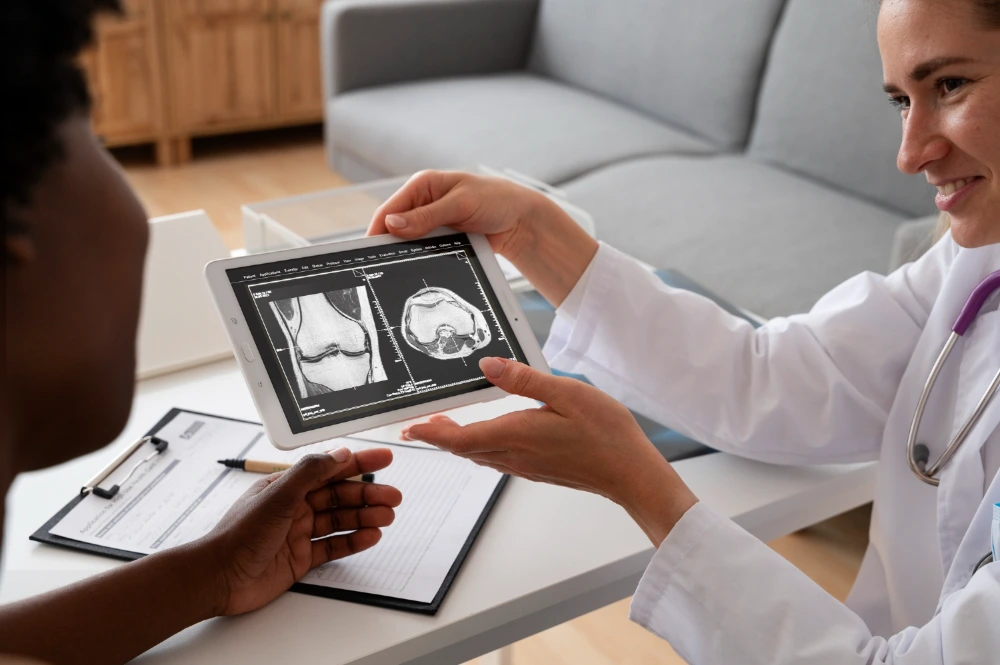
A lot of patients ask us this before they’ll even book. Completely fair, since most people’s only frame of reference is the big, humming DEXA machines at a hospital. A REMS scan looks nothing like that. Our technician arrives with a portable ultrasound-style probe, no gown, no changing room, no lying still under an X-ray arm. It’s a far more comfortable way to get real answers about osteopenia vs. osteoporosis.
You lie comfortably on a table or even your own couch, the probe passes gently over your hip and lower spine, and within a couple of minutes, we have data comparable to a traditional DEXA scan, without a single unit of radiation involved. Results are reviewed with you in plain language (not just handed over as a T-score and a shrug), so you actually understand where you land on the osteopenia vs. osteoporosis spectrum and what, if anything, needs to happen next.
Don’t Wait to Understand Your Bone Health
Osteopenia vs. osteoporosis isn’t a debate you need to settle with a medical degree. It’s a conversation worth having early, before a T-score forces the issue. Whether you’re sitting on a report you don’t fully understand or you simply haven’t been scanned yet and know you probably should be, the earlier you get real answers, the more options you have.
At Superior Bone Scanning, we’ve built our entire approach around making that first step easy: radiation-free REMS technology, brought straight to your door anywhere in Los Angeles, paired with personalized exercise and supplement guidance built around your actual results (not a generic pamphlet). If you’ve been putting off a bone density test near me search, let today be the day you stop wondering and start knowing.
What’s the main difference between osteopenia and osteoporosis?
Osteopenia is mild to moderate low bone density, while osteoporosis is more severe bone thinning that significantly raises fracture risk. Both are measured using the same T-score scale, just at different points on it.
Can osteopenia turn into osteoporosis?
Yes, it can. If bone loss continues unaddressed, osteopenia can progress to osteoporosis over time. That said, plenty of people with osteopenia stabilize or even improve their bone density with the right lifestyle changes. Catching this progression early is exactly why understanding osteopenia vs. osteoporosis matters so much.
At what age should I get a bone density scan?
Most guidelines recommend women begin screening at 65, and earlier if you have risk factors like early menopause, a family history of fractures, or long-term steroid use. Men are typically advised to start around 70, or sooner with risk factors present.
Does osteopenia or osteoporosis hurt?
Not directly, no. That’s part of what makes both conditions so easy to miss. Pain usually only shows up after a fracture has already occurred, which is why proactive screening matters more than waiting for symptoms.
Is REMS scanning as accurate as a DEXA scan?
Published research shows REMS correlates strongly with DEXA results, with sensitivity and specificity both above 90 percent in multiple studies, while avoiding ionizing radiation entirely.
Can I reverse osteopenia naturally?
Many people can meaningfully improve low bone density through weight-bearing exercise, adequate calcium and vitamin D intake, and lifestyle changes like reducing alcohol and quitting smoking, especially when caught early.
How often should I get rescanned once diagnosed with low bone density?
Most providers recommend rescanning every one to two years, though your specific interval depends on your initial T-score, risk factors, and whether you’re actively undergoing treatment.
Does Superior Bone Scanning come to my home in Los Angeles?
Yes, mobile REMS bone scanning is our specialty. We bring radiation-free testing directly to homes and offices throughout Los Angeles, so you can get answers about osteopenia vs. osteoporosis without adding another appointment to your calendar.