
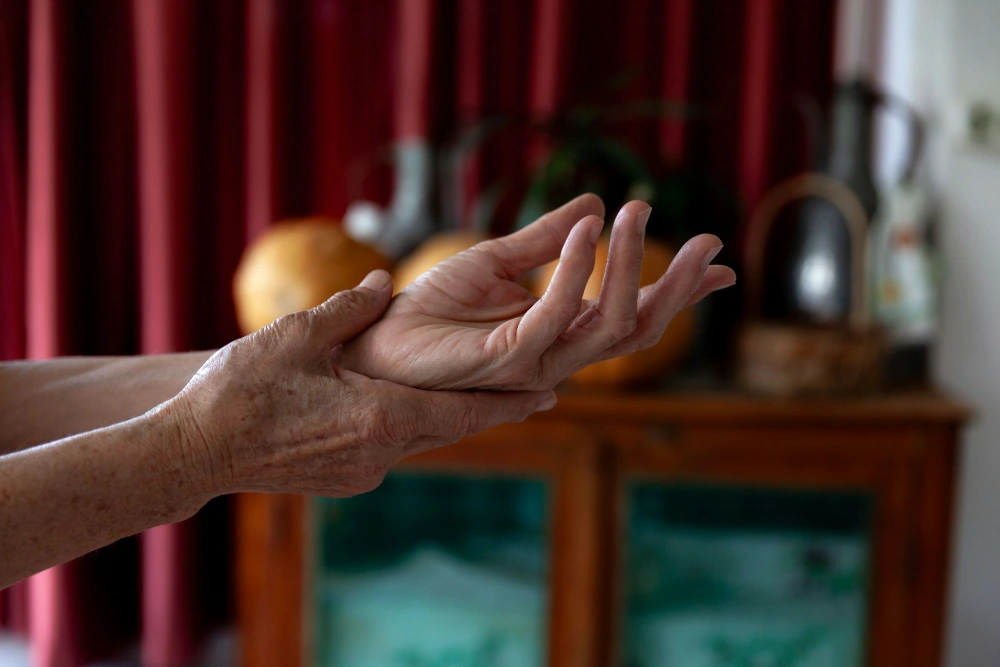
Osteoporosis early symptoms rarely look like symptoms at all. There’s no morning you wake up and think, “My bones feel thinner today.” No ache that shows up right on schedule to warn you something has changed underneath the surface. That’s exactly why so many people in Los Angeles find out about their bone density the hard way, after a fall that should have been minor turns into a fractured wrist or hip. Doctors call osteoporosis a silent disease for good reason, and understanding osteoporosis early symptoms is often the only real head start you get before that first fracture happens.
Here’s the thing most patients never hear until it’s too late: your body is actually sending signals long before a bone snaps. They’re just quiet, easy to blame on aging, and easy to wave off as nothing. A little shorter than you used to be. A nagging ache between the shoulder blades. Fingernails that seem to chip more than they used to. None of these scream “bone loss,” which is exactly why these silent signs slip past so many people, including plenty who see their doctor regularly.
This guide walks through the seven warning signs worth paying attention to, why they happen, who’s most at risk, and how a fast, radiation-free bone density scan can confirm what those symptoms are hinting at, before a fracture forces the issue. If you’ve been noticing small changes in your body and wondering whether they mean anything, keep reading. They very well might.
Why Osteoporosis Early Symptoms Are So Easy to Miss
Bone doesn’t feel anything the way skin or muscle does. There are no pain receptors buried inside your femur screaming for attention as it slowly loses density, so osteoporosis early symptoms tend to show up as secondary effects rather than direct pain. According to the Bone Health and Osteoporosis Foundation, roughly 10 million Americans already have osteoporosis, and another 44 million have low bone density that puts them at meaningful risk. Most of them have no idea because these early signs are subtle enough to blend right into everyday life.
Mayo Clinic Health System puts it bluntly: osteoporosis doesn’t hurt unless you break a bone. That single sentence explains why so many people only discover their bones have thinned after an ordinary bump, a small stumble on the sidewalk, or even a hard sneeze results in an unexpected fracture. By the time that happens, a fair amount of bone loss has usually already taken place. That’s the entire argument for learning to spot osteoporosis early symptoms now, while there’s still time to act on them.
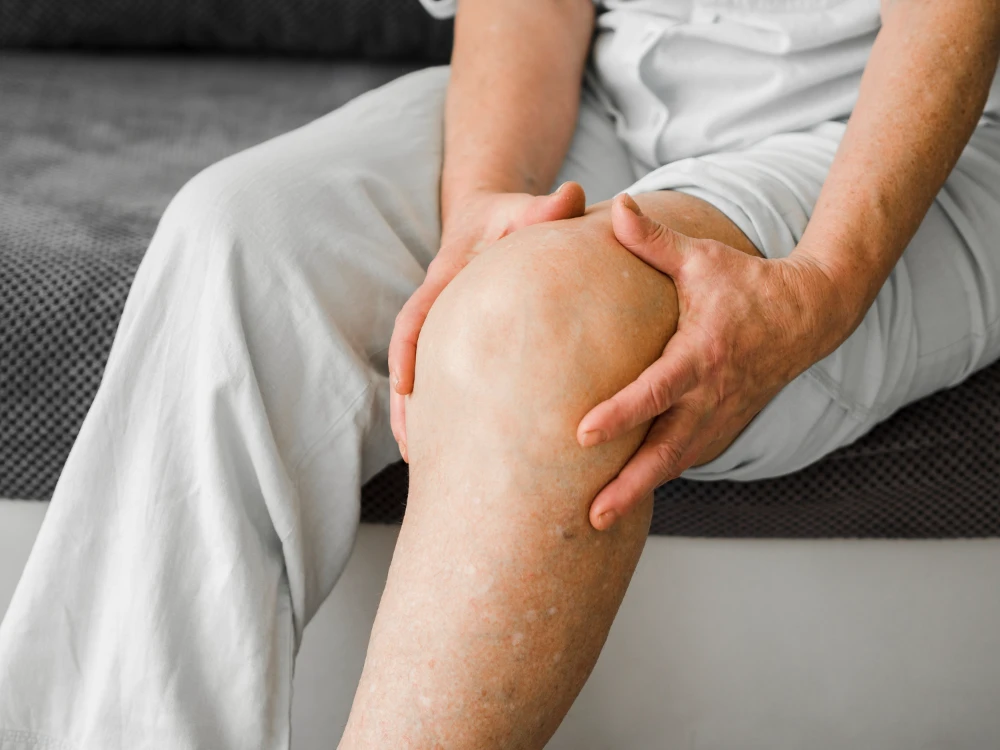
The 7 Silent Warning Signs of Osteoporosis Early Symptoms
These are the seven early osteoporosis symptoms doctors and researchers point to most often. None of them guarantee you have osteoporosis on their own, but taken together, or paired with risk factors like menopause, a family history of fractures, or long-term steroid use, they’re worth a real conversation with your provider.
1. A Gradual Loss of Height
Losing an inch or more over the years is one of the most reliable warning signs there is, and it’s also one of the easiest to dismiss. Small compression fractures in the spine, ones that don’t cause dramatic pain, can quietly collapse the front of a vertebra, shaving height off your frame a little at a time. If your driver’s license height hasn’t matched your actual height in a while, that gap is worth mentioning at your next appointment.
2. A Stooped Posture or Rounded Upper Back
Sometimes called a dowager’s hump, a curve developing in the upper spine is another one of the more visible warning signs. It happens for the same reason height loss does: vertebrae in the upper back weaken and compress unevenly. It tends to creep in slowly enough that family members notice before the person experiencing it does.
3. Unexplained Back Pain
Not every backache means anything serious, but persistent pain in the mid or lower back, especially pain that appears without a clear injury, deserves a closer look. It can signal a small vertebral compression fracture already in progress. Among these quieter signs, this one gets brushed off constantly, usually chalked up to sleeping wrong or sitting at a desk too long.
4. Weakened Grip Strength
Research has repeatedly linked declining grip strength to weaker bones and higher fracture risk overall. It makes sense once you think about it: bone and muscle strength tend to decline together as the body ages. A jar lid that suddenly feels impossible to open, or a handshake that’s noticeably softer than it used to be, can be one of the quieter warning signs worth flagging.
5. Brittle, Weak Fingernails
Nails that split, peel, or break far more easily than they once did can point toward inadequate calcium absorption or a shortfall in the collagen that supports both nails and bone. On its own, this symptom could mean plenty of things. Combined with other items on this list, though, it earns a spot among the signs worth watching closely.
6. Receding Gums or Jawbone Changes
The jawbone is still bone, and it responds to the same density loss that affects the hip and spine. Dentists sometimes catch these silent signs before physicians do, simply because receding gums, loose teeth, or noticeable jawbone thinning on a dental X-ray can be an early clue that bone strength elsewhere in the body has started slipping too.
7. A Fracture From Minor Trauma
This is the symptom nobody wants to be their first warning sign, yet for a huge share of patients, it is. A wrist that breaks from a short fall, a rib that cracks from a hard cough, a hip that fractures from a stumble that shouldn’t have caused real damage. Any fracture that happens from a low-impact event is one of the clearest osteoporosis early symptoms your body can send, and it should trigger a bone density evaluation right away, not just treatment for the break itself.
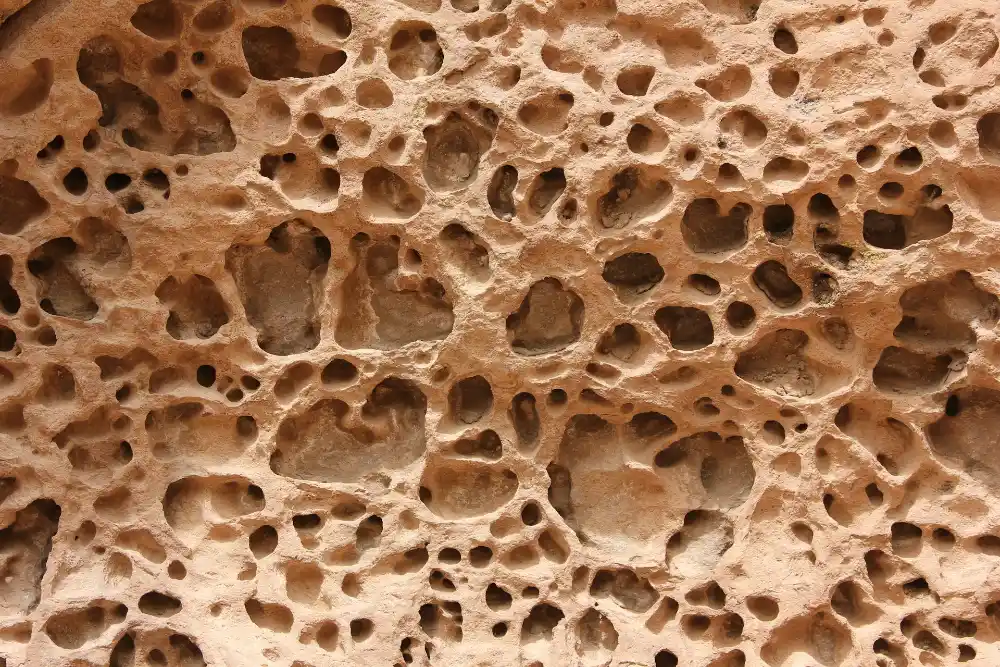
The Real Stakes Behind Osteoporosis Early Symptoms
It’s easy to read a list like this and file it away as “something to think about later.” The numbers say otherwise. One in two women and up to one in four men over 50 will break a bone in their lifetime because of osteoporosis, and for women, that fracture risk actually outpaces the combined risk of breast cancer, heart attack, and stroke. A hip fracture in particular carries consequences far beyond the break itself. Roughly 24 percent of hip fracture patients over 50 die within a year of the injury, often from complications tied to prolonged immobility rather than the fracture itself.
Think about a patient who feels perfectly fine. She walks her dog every morning, keeps up with her grandkids, and never gives her bones a second thought. Then a slip on a wet kitchen floor, the kind most people would just laugh off, ends in a fractured hip and months of rehab. Nobody warned her that her bone strength had been quietly declining for years. That’s the story behind so many osteoporosis diagnoses, and it’s exactly why catching the early signs matters so much more than most people realize. The good news is that this outcome isn’t inevitable. Bones that are losing density respond to intervention, often dramatically, when the problem is caught early enough to act on.
What Causes Low Bone Density in the First Place
Osteoporosis early symptoms don’t appear out of nowhere. They’re the visible tail end of a process that’s usually been building for years. Bone is living tissue, constantly being broken down and rebuilt in a cycle involving two types of cells: osteoclasts, which clear away old bone, and osteoblasts, which lay down new bone in its place. Bone mass peaks in your late twenties or early thirties, holds fairly steady for a while, and then starts a slow decline as the balance between breakdown and rebuilding tips the wrong way.
A few factors accelerate that decline more than others. Menopause is a big one, since estrogen plays a protective role in maintaining skeletal strength, and its decline after menopause is directly tied to years of accelerated bone loss in women. Family history matters too. If a parent or grandparent broke a hip, your own risk climbs.
Long-term steroid use, certain thyroid conditions, low body weight, smoking, heavy alcohol use, and a diet that’s chronically low in calcium and vitamin D all chip away at bone strength over time. Men aren’t exempt either, though these early warning signs get missed longer in men, simply because the condition still carries an outdated reputation as a “women’s disease.”
How Bone Density Testing Confirms What Symptoms Only Hint At
Noticing one or two osteoporosis early symptoms doesn’t mean panic is the right response. It means it’s time for an actual bone density test, the only reliable way to know where you stand rather than guessing based on symptoms alone. That scan measures bone mineral density and produces a T-score, comparing your results to a healthy 30-year-old adult of the same sex. A T-score of -1.0 or higher is considered normal. Between -1.0 and -2.5 indicates osteopenia, an earlier stage of low bone mass. A T-score of -2.5 or lower meets the clinical threshold for osteoporosis.
The National Institute of Arthritis and Musculoskeletal and Skin Diseases confirms these T-score ranges as the accepted standard used across the country for interpreting bone density results. Most guidelines recommend women begin routine screening around age 65, and earlier for anyone with risk factors or noticeable osteoporosis early symptoms. Men are typically advised to start around 70, sooner if risk factors are present. Waiting until symptoms feel undeniable usually means waiting too long.
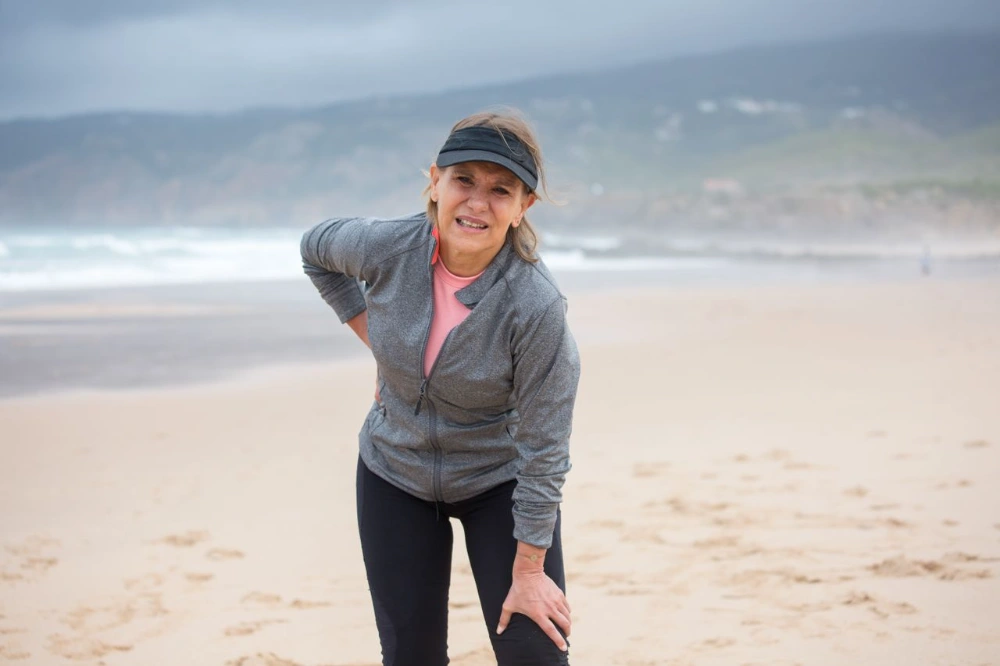
REMS Technology: Checking Bone Density Without the Guesswork
For decades, DEXA scanning has been the standard way to measure bone density, and it still has real value. But it uses ionizing radiation and typically means a trip to a hospital or imaging center, which isn’t always convenient, especially for older adults or anyone managing a packed schedule. That’s where REMS, short for Radiofrequency Echographic Multi-Spectrometry, has changed the equation.
REMS uses ultrasound-based radiofrequency signals instead of X-rays to measure bone strength, with no radiation involved at all. A multicenter study published in Aging Clinical and Experimental Research found REMS achieved sensitivity and specificity both above 91 percent when measured against DEXA, showing a strong statistical correlation between the two methods. A separate review published on PMC highlighted REMS’s added ability to evaluate bone quality, not just density, through what’s called a Fragility Score, which has shown real predictive value for future fracture risk.
What that means in practical terms: a REMS scan takes under two minutes, involves zero radiation, and can be done right in your living room or office rather than in a cold imaging suite. As Los Angeles’s most trusted REMS bone scanning provider, Superior Bone Scanning brings this technology directly to patients across the city, from Santa Monica to Pasadena to Beverly Hills, so anyone noticing osteoporosis early symptoms can get real answers about their bone strength without adding another appointment to an already full calendar.
What Happens During a REMS Scan
A lot of first-time patients picture the big, humming DEXA machines at a hospital and assume a REMS scan works the same way. It doesn’t. A technician arrives with a portable, ultrasound-style probe. No gown, no changing room, no lying still under an X-ray arm for twenty minutes. You lie comfortably on a table, or even your own couch, while the probe passes gently over your hip and lower spine. Within a couple of minutes, the scan produces data comparable to a traditional DEXA, without a single unit of radiation involved.
Results are explained in plain language on the spot, not handed over as a T-score and a shrug, so you actually understand where your bone health stands and what, if anything, needs to happen next. For anyone who’s noticed one or more of these warning signs and has been putting off getting checked because a hospital visit felt like a hassle, this is the part that tends to change their mind fastest. There’s no waiting room, no separate imaging appointment, and no radiation to think twice about.
Who Should Watch for Osteoporosis Early Symptoms Most Closely
Some people have more reason than others to pay close attention to these warning signs and get screened sooner rather than later.
- Postmenopausal women, since declining estrogen accelerates bone loss significantly.
- Anyone with a parent or grandparent who fractured a hip.
- Long-term steroid users, including patients managing autoimmune conditions or severe asthma.
- People with thyroid disorders, particularly those on medication that suppresses TSH.
- Smokers and heavy drinkers both independently weaken bones over time.
- Anyone who has already experienced a low-impact fracture has one of the clearest osteoporosis early symptoms of all.
- Smaller-framed individuals, who generally start with less bone mass to lose in the first place.
If you fall into more than one of these categories, osteoporosis early symptoms deserve more than a passing thought. They deserve an actual bone density scan.

What to Do If You Recognize These Osteoporosis Early Symptoms
Spotting one or more of these signs isn’t a diagnosis, and it’s not a reason to spiral into worry either. It’s simply information, the kind that’s far more useful acted on early than discovered after a fracture. The first step is getting your bone density measured, so you’re working with real numbers instead of guesswork. From there, treatment can range from targeted exercise and nutrition changes for milder bone loss to a more structured plan involving medication and closer monitoring for cases that have progressed further.
Nutrition plays a bigger role than most people expect. Calcium-rich foods like yogurt, sardines, leafy greens such as kale and bok choy, and fortified plant milks help rebuild the mineral matrix that gives bone its strength. Vitamin D, whether from sensible sun exposure, fatty fish, or a supplement your doctor recommends, is what lets your body actually absorb that calcium in the first place.
Weight-bearing exercise like brisk walking, hiking, dancing, or light resistance training sends a direct signal to bone tissue to keep rebuilding, while balance work like yoga or tai chi lowers the odds that a fall turns into a fracture in the first place. Cutting back on smoking and heavy alcohol use removes two of the biggest accelerants of bone loss. At Superior Bone Scanning, tailored exercise and supplement plans are built around each patient’s actual scan results, aiming to support long-term bone health naturally and avoid pharmaceutical treatment where it’s medically appropriate.
Don’t Ignore Osteoporosis Early Symptoms: Book Your Bone Density Scan Today
Osteoporosis early symptoms are quiet, but they’re rarely silent forever. A little less height, a persistent ache, nails that break too easily, a fracture that shouldn’t have happened from something so minor, these are the moments your body is asking to be checked, not ignored. The earlier these warning signs are caught, the more options you have, and the less likely a fall or a stumble is to turn into something that changes your life.
Superior Bone Scanning brings radiation-free REMS bone density testing directly to homes and offices throughout Los Angeles, with fast, plain-language results and a tailored plan built around your actual results, not a generic pamphlet. If you’ve been noticing osteoporosis early symptoms and searching for a bone density test near me, let today be the day you get a real answer instead of another guess.
What are the most common osteoporosis early symptoms?
The most common osteoporosis early symptoms include gradual height loss, a stooped posture, unexplained back pain, weakened grip strength, brittle fingernails, receding gums or jawbone changes, and a fracture from a minor fall or bump. None of these confirm osteoporosis on their own, but they’re worth discussing with your provider, especially if more than one applies to you.
Can you have osteoporosis with no symptoms at all?
Absolutely, and it’s actually the most common scenario. Osteoporosis is frequently called a silent disease because significant bone loss can occur for years without any noticeable symptoms. That’s exactly why routine screening matters more than waiting for warning signs to appear.
At what age do these early warning signs typically start showing up?
It varies widely, but many women begin noticing early signs in their late fifties and sixties, often around or after menopause, when bone loss accelerates. Men tend to develop noticeable symptoms later, typically in their seventies, though risk factors like steroid use or a family history can move that timeline earlier for anyone.
Is back pain always a sign of osteoporosis?
No, most back pain has nothing to do with bone density. But persistent, unexplained back pain, particularly in someone with other risk factors, can indicate a small vertebral compression fracture, which is one of the more overlooked osteoporosis early symptoms. It’s worth ruling out rather than assuming it’s just muscle strain.
How is low bone density actually diagnosed?
A bone density scan is the only reliable way to diagnose low bone mass or osteoporosis. The test produces a T-score comparing your results to those of a healthy young adult, with scores between -1.0 and -2.5 indicating osteopenia, and scores at or below -2.5 meeting the threshold for osteoporosis.
Is REMS scanning as accurate as a traditional DEXA scan?
Published research shows REMS correlates strongly with DEXA, with sensitivity and specificity both above 90 percent in multiple studies, while completely avoiding ionizing radiation. It’s an accurate, convenient alternative for anyone who wants to monitor bone density without repeated radiation exposure.
Can low bone density be reversed once osteoporosis early symptoms appear?
In many cases, yes, especially when caught early. Weight-bearing exercise, adequate calcium and vitamin D, and lifestyle changes like quitting smoking or cutting back on alcohol can meaningfully improve bone strength, particularly at the osteopenia stage before it progresses further.
Does Superior Bone Scanning offer bone density testing near me in Los Angeles?
Yes, mobile REMS bone density scanning is the core of what Superior Bone Scanning offers. Appointments come directly to homes and offices throughout Los Angeles, including Santa Monica, Pasadena, and Beverly Hills, so recognizing osteoporosis early symptoms doesn’t mean adding another stressful trip to an imaging center.