

REMS vs DEXA scan comparisons are popping up everywhere lately, and if you have been putting off a bone density test because the idea of radiation exposure makes you uneasy, you are far from alone. For decades, DEXA (also written DXA) was the only real option for checking bone mineral density. Today, a growing number of Los Angeles patients are choosing REMS bone scan technology instead, and once you understand why, it is hard to see it as anything but the smarter move.
We get the same question almost every week: “Is a REMS scan really as accurate as a DEXA scan, and why haven’t I heard about it sooner?” It is a fair question. Most people grew up assuming DEXA was simply what a bone scan meant. But REMS, short for Radiofrequency Echographic Multi Spectrometry, has quietly become one of the most talked-about advances in bone health screening, and the REMS vs DEXA scan conversation is now front and center for anyone managing osteoporosis risk, arthritis, or simple preventive care.
This guide breaks down the real differences between the two technologies, who each one is best suited for, and why so many patients across the greater Los Angeles area are switching to REMS bone scan appointments that come to their home or office instead of a hospital waiting room. No scare tactics, no jargon overload, just a straightforward look at what actually matters when you are deciding how to protect your bones.
What Is REMS Bone Scanning?
REMS bone scan technology takes a completely different approach. Instead of X-rays, it uses ultrasound, the same safe, radiation-free technology used to monitor pregnancies, to analyze the raw echographic signals reflected from bone tissue. A specialized algorithm then cross-references those signals against a vast database to calculate bone density and fragility risk with a level of precision that rivals, and in some studies exceeds, traditional DEXA scans.
Because REMS relies on sound waves rather than ionizing radiation, there is no cumulative radiation exposure to worry about, which matters a great deal for patients who need repeat scans every year or two to track treatment progress. The equipment is portable, the scan itself takes just minutes, and it does not require a doctor’s referral to get started. That combination is a big part of why the REMS vs DEXA scan comparison keeps tipping in REMS’s favor for so many patients.
What Is a DEXA Scan, Exactly?
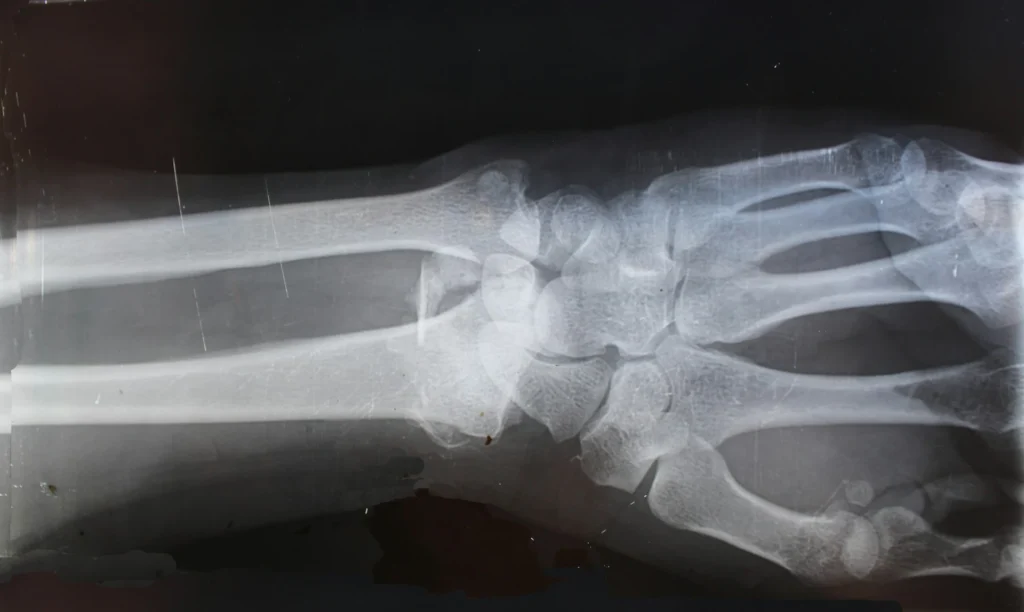
DEXA stands for Dual-Energy X-ray Absorptiometry. It has been the gold standard for measuring bone mineral density since the late 1980s, and it works by passing two low-dose X-ray beams through the spine and hip to calculate a T-score, which tells your doctor whether your bones fall into a normal, osteopenic, or osteoporotic range.
DEXA machines are large, fixed pieces of equipment that live in hospitals, radiology centers, and specialty clinics. That means an appointment usually involves driving somewhere, checking in, waiting your turn, and lying still on a table while a scanner arm passes overhead. It is a proven method, and for a long time it was the only one worth trusting. But “proven” and “perfect” are not the same thing, and that gap is exactly where the REMS vs DEXA scan discussion starts to get interesting.
How REMS Bone Scan Technology Works Behind the Scenes
It helps to understand what is actually happening during the fifteen minutes you spend on the table, especially if you are the type of patient who likes to know the “why” behind a recommendation. When the ultrasound probe passes over your spine and hip, it sends low-frequency sound waves into the bone and records the raw signal that echoes back, unfiltered and unprocessed. Most ultrasound-based bone tools in the past threw away a lot of that raw data and relied on simplified summary numbers, which is part of why early ultrasound bone testing never fully caught on as a DEXA replacement.
REMS changes that by analyzing the entire raw spectrum of the returning signal rather than a stripped-down summary. A proprietary algorithm compares that spectrum against a reference database built from thousands of scans across different ages, body types, and bone conditions, then calculates a bone mineral density value and a fragility score. The math is complex, but the experience for you is simple: lie still, let the probe do its work, and walk away with a clinically meaningful result minutes later. This is the core reason the REMS vs DEXA scan debate has shifted so much in the last few years. The technology finally caught up to the promise of a radiation-free alternative that clinicians can actually trust.

REMS vs DEXA Scan: The Differences That Actually Matter
Radiation Exposure
This is usually the first thing people ask about, and understandably so. DEXA uses a small amount of ionizing radiation, roughly equivalent to a few hours of natural background exposure per scan. It is considered safe for occasional use, but the exposure adds up for patients who need frequent monitoring, are pregnant, or are simply trying to minimize radiation wherever possible. A REMS bone scan uses zero ionizing radiation, full stop, which removes that worry entirely.
Accuracy in Real-World Bodies
DEXA accuracy can be thrown off by spinal arthritis, vascular calcification, prior fractures, or body positioning, all of which are common in the exact population most likely to need a bone density test: older adults. REMS analyzes the native ultrasound signal directly, which makes it less susceptible to some of these interference factors. Multiple published studies comparing REMS vs DEXA scan results have shown strong correlation between the two methods, with REMS holding up well even in patients whose DEXA readings were considered less reliable.
Comfort and Convenience
A DEXA scan means scheduling around a facility’s hours, arranging transportation, and often waiting weeks for an open slot. Superior Bone Scanning brings the REMS scanner directly to your home or office anywhere in the Los Angeles area, so there is no commute, no waiting room, and no rearranging your entire day for a fifteen-minute test.
Accessibility Without a Referral
Traditional DEXA scans typically require a physician’s referral and, depending on your insurance, prior authorization that can take weeks. A REMS bone scan does not require a referral, which means you can take charge of your bone health on your own timeline instead of waiting on paperwork to clear.
Cost and Insurance Considerations
Cost is often the deciding factor in the REMS vs DEXA scan conversation. DEXA is usually billed through insurance, but coverage depends heavily on your plan, your diagnosis codes, and whether prior authorization comes through in time. That process can drag on for weeks, and patients are sometimes left with a surprise bill anyway. A REMS bone scan is typically offered as a transparent, flat-rate service, so you know the cost upfront before you ever book the appointment. For patients who are tired of insurance back-and-forth, that clarity alone is often worth the switch.
What the Research Says About REMS vs DEXA Scan Accuracy
Skepticism is healthy, especially with something as important as bone health, so it is worth looking at what the studies actually show. Peer-reviewed research published in journals tracked by the International Society for Clinical Densitometry has compared REMS against DEXA across thousands of patients, and the results consistently show strong agreement between the two methods for measuring bone mineral density at the lumbar spine and femoral neck.
Some studies have even found that REMS holds up better in patients with degenerative spinal changes, since it is not thrown off by the same artifacts that can distort a DEXA image. That growing body of evidence is exactly why more clinicians are comfortable recommending REMS as a legitimate alternative rather than a lesser substitute.
Why Los Angeles Patients Are Choosing REMS Bone Scan Over DEXA
Los Angeles is a city built around packed schedules, long commutes, and very little patience for sitting in a waiting room. It makes sense that a mobile, radiation-free alternative would catch on fast here. Patients searching for a “REMS bone scan near me” or a “bone density scan near me” are increasingly finding that the most convenient option is also the most comfortable and, in many cases, the most informative one.
There is also a generational shift happening. Bone density testing used to be something people associated strictly with post-menopausal women or patients already diagnosed with osteoporosis. Today, younger adults dealing with early arthritis, athletes monitoring bone stress, and health-conscious professionals in their thirties and forties are booking REMS scans as part of routine preventive care, long before a fracture ever becomes a concern.
Based out of Rolling Hills Estates, Superior Bone Scanning regularly serves patients across the South Bay and greater Los Angeles area, including Torrance, Redondo Beach, Palos Verdes, Manhattan Beach, and surrounding communities. Whether you searched for a “REMS bone scan near me” from a home office in Hermosa Beach or you are coordinating care for an aging parent in Rancho Palos Verdes, the appointment comes to whatever address makes life easiest that day. That kind of flexibility is simply not something a hospital-based DEXA suite can offer, and it is a big reason word of mouth about REMS keeps spreading through the area.
Who Should Consider a REMS Bone Scan?
If any of the following sound familiar, a REMS bone scan is worth a conversation:
You are over 50 and have never had a baseline bone density test. You have a family history of osteoporosis or early fractures. You have been diagnosed with arthritis and want to understand how it may be affecting your bone strength. You are managing menopause and want to track changes in bone density over time. You have had a DEXA scan in the past but found the results confusing, inconclusive, or difficult to schedule. You simply want a fast, radiation-free way to establish where your bone health stands today.
None of these situations requires a diagnosis first. That is the whole point of preventive screening, and it is exactly why so many patients skip the DEXA vs REMS bone scan debate altogether and go straight to booking the version that fits into their actual life.
What to Expect During Your REMS Bone Scan
Here is what a typical appointment looks like once you book with Superior Bone Scanning. Our technician arrives at your home or office with a portable REMS device, no bigger than a small suitcase. You will be asked to lie down comfortably while a small ultrasound probe is gently moved over your lower spine and hip, the same two areas a DEXA scan targets. There is no undressing beyond loosening your waistband, no holding your breath, and no radiation shield required.
The entire scan takes about ten to fifteen minutes. Once complete, your results are analyzed and compared against a global reference database to generate a detailed report on your bone mineral density, fragility risk, and T-score equivalent. From there, our team walks you through what the numbers mean and, where appropriate, puts together a personalized exercise and supplement plan designed to support long-term bone strength, without jumping straight to pharmaceutical treatment as the only option.
Take Maria, a 58-year-old teacher in Torrance who put off bone density testing for years because she dreaded the drive to a radiology center and the idea of more X-rays after a lifetime of dental visits. When she finally looked into the REMS vs DEXA scan question, the deciding factor was simple: our technician could come to her house on a Saturday morning while her coffee was still warm. Fifteen minutes later, she had a clear picture of her bone health and a supplement plan tailored to her results, no referral, no waiting room, no radiation. Stories like hers are becoming the norm rather than the exception across Los Angeles.
Understanding Your Results: What a T-Score Actually Tells You
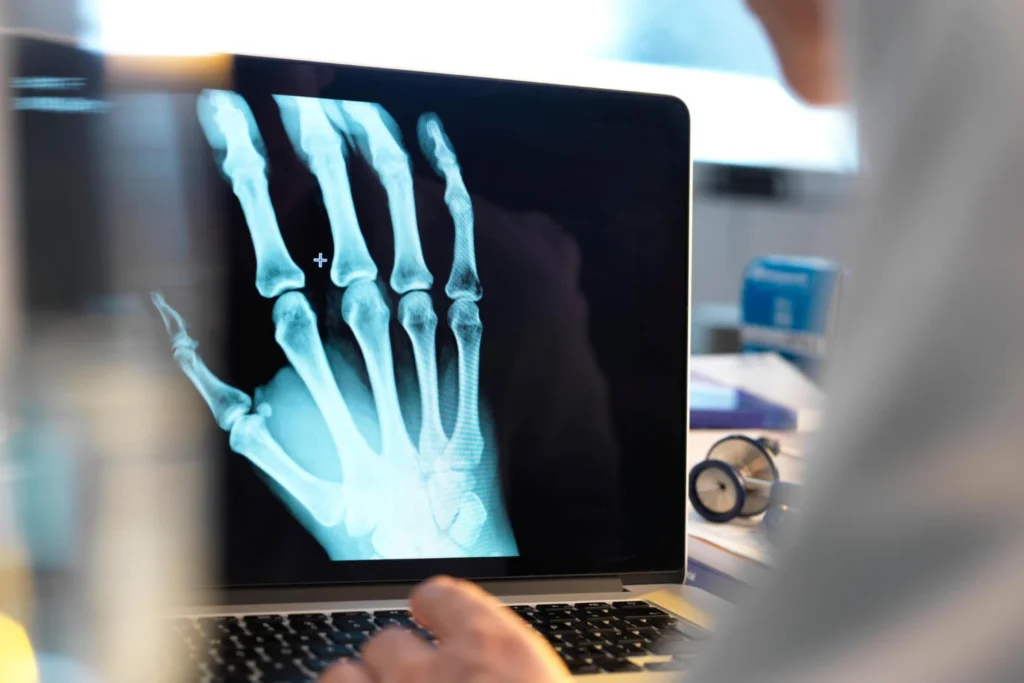
Whether you go the REMS or DEXA route, your results will come back as a T-score, and it is worth knowing what that number means before you sit down to review it. A T-score compares your bone density to that of a healthy young adult of the same sex. A score of -1.0 or above is considered normal. Anything between -1.0 and -2.5 falls into the osteopenia range, meaning bone density is lower than ideal but not yet at osteoporosis level. A score of -2.5 or below indicates osteoporosis, which raises the risk of fracture from even minor falls or bumps.
The value of catching a low T-score early is that it is almost always actionable. A REMS bone scan report from Superior Bone Scanning does not just hand you a number and send you on your way. Our team walks through what the score means for your specific situation and builds out a plan around it, often centered on targeted exercise, nutrition, and supplementation rather than jumping straight to medication. Catching osteopenia early, before it progresses, is a much easier problem to manage than reacting to a fracture after the fact.
Common Myths About REMS vs DEXA Scan, Debunked
A lot of outdated information still floats around about bone density testing, so let’s clear up a few things. The first myth is that REMS is some kind of unproven gimmick. It is not. REMS is FDA-cleared and backed by a growing library of peer-reviewed research, not a wellness trend dressed up as medicine. The second myth is that a scan without a machine the size of a small car cannot possibly be accurate. Portability has nothing to do with precision, and REMS technology proves that a device small enough to fit in a technician’s bag can produce results that hold up against decades-old imaging equipment.
A third myth worth addressing is the idea that you only need a bone density scan once you already suspect a problem. In reality, the entire value of preventive screening comes from catching changes before symptoms appear. Waiting for a fracture to justify testing defeats the purpose. Finally, some patients assume that switching from DEXA to REMS means starting over with no usable history. That is not the case. Both technologies report results using the same T-score framework, so your REMS results can be compared against prior DEXA scans to track trends over time, giving you and your care team a continuous picture of your bone health regardless of which method you use.
REMS vs DEXA Scan: Which One Is Right for You?
If you already have a DEXA scan scheduled through your regular physician and insurance is covering the full cost with no wait, there is nothing wrong with keeping that appointment. DEXA remains a respected, well-studied method, and continuity of care matters if you are already being monitored for an existing diagnosis.
But if you are choosing between REMS vs DEXA scan options and value speed, comfort, zero radiation, and not needing a referral, REMS is very likely the better fit. It is especially compelling for anyone who wants to be proactive about bone health rather than waiting for a fracture or a doctor’s recommendation to force the issue. The technology has matured enough that patients no longer have to choose between accuracy and convenience. With REMS, they typically get both.
Book Your REMS Bone Scan Today
The REMS vs DEXA scan decision does not have to be complicated. If you want a fast, radiation-free, referral-free way to understand your bone health, without rearranging your entire week for it, Superior Bone Scanning brings the technology straight to your door anywhere in Los Angeles. Bone health is not something to put off until a fracture forces the issue; there is no longer a good excuse to wait. Schedule your REMS bone scan today and take the first real step toward stronger, healthier bones for the years ahead, on your schedule, in your own home.
Is a REMS bone scan as accurate as a DEXA scan?
Clinical studies comparing REMS vs DEXA scan results have shown strong agreement between the two methods, including in patients whose DEXA readings were complicated by arthritis or spinal changes. REMS is FDA-cleared and considered a reliable alternative for measuring bone density.
Does a REMS bone scan use radiation?
No. REMS uses ultrasound technology instead of X-rays, so there is no ionizing radiation, making it a comfortable option for patients who need repeat testing.
Do I need a doctor’s referral for a REMS scan?
No referral is required. You can schedule a REMS bone scan directly, which is one of the biggest advantages in the REMS vs DEXA scan comparison.
How long does a REMS bone scan take?
Most appointments take between ten and fifteen minutes from start to finish, including setup.
Can Superior Bone Scanning come to my home or office?
Yes. We bring the portable REMS scanner directly to you anywhere in the greater Los Angeles area, so there is no need to travel to a clinic.
Who should get a bone density scan?
Adults over 50, anyone with a family history of osteoporosis, patients managing arthritis or menopause, and anyone wanting a preventive baseline should consider testing, regardless of age.
Is REMS covered by insurance the same way DEXA is?
Coverage varies by provider and plan, so we recommend checking with your insurer directly. Many patients choose REMS specifically because it avoids the referral and prior authorization delays common with DEXA.
How often should I repeat a bone density scan?
Most patients are advised to repeat testing every one to two years, depending on risk factors and any treatment or lifestyle plan already in place.